

Burnout does not just make you tired. It hollows you out. The kind of exhaustion that sleep does not fix, the kind where your mind races at 2 AM even though your body feels like concrete. If you have been living in that state, you already know that a weekend off or an extra coffee is not going to cut it. What you need is something that works at a deeper level, something that gives your nervous system permission to stop.
That is exactly what Float therapy offers, and the science behind it is more compelling than most people realize.
What Is Floating Therapy and Why Is It Different
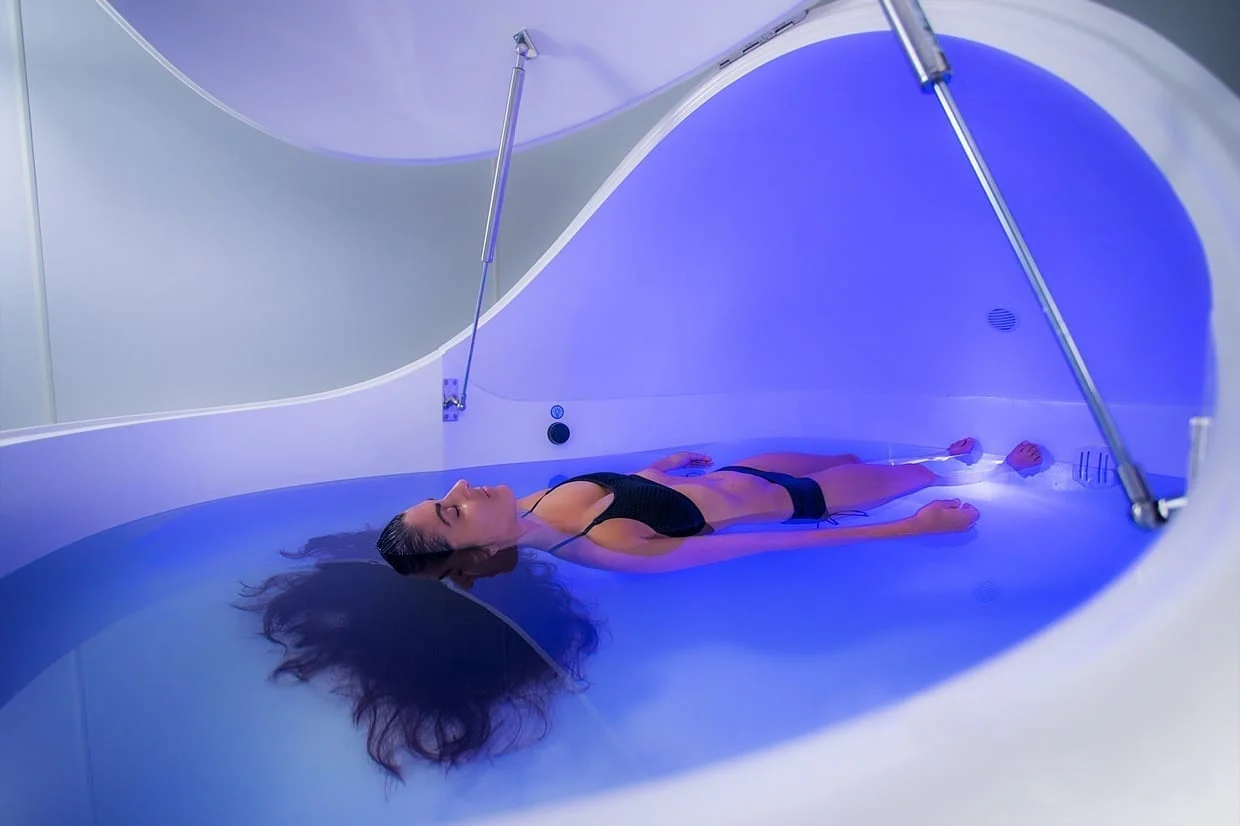
Floating therapy involves lying in a pod or tank filled with water that is saturated with Epsom salt, typically around 500 kilograms of it. The water is heated to skin temperature, roughly 34 to 35 degrees Celsius, and the environment is completely dark and silent. Because of the extreme density of the salt and water solution, your body floats effortlessly on the surface without any effort at all.
This is not a spa trend. Water floating therapy has been studied since the 1950s when neuroscientist John Lilly first developed the isolation tank to explore what happens to the human brain when all external stimulation is removed. What he and subsequent researchers found changed how we think about rest, recovery, and the human stress response.
The Science of Burnout and Why Rest Is Not Enough
Burnout is classified by the World Health Organization as an occupational phenomenon resulting from chronic workplace stress that has not been successfully managed. It manifests in three specific ways: feelings of energy depletion or exhaustion, increased mental distance from one’s job, and reduced professional efficacy.
Here is the problem with conventional rest. When you are burned out, your sympathetic nervous system, the fight or flight system, stays chronically activated. You can lie on a couch for hours and still feel wired. Your cortisol levels remain elevated. Your brain never drops into the slower theta wave states associated with deep restoration.
This is where water floating therapy does something genuinely different. Research published in journals including Psychophysiology and the International Journal of Stress Management has demonstrated that a single session of floating therapy can produce a measurable shift from sympathetic to parasympathetic dominance. In plain terms, it switches your body from stress mode to recovery mode, often within the first twenty minutes.
What Happens to Your Brain and Body During a Float Session
The moment external sensory input is removed, your brain begins to do something remarkable. Electroencephalograph studies show that floating therapy consistently produces theta wave activity, the brainwave state that sits between waking and sleep. This is the same state associated with deep meditation, creative insight, and accelerated healing. Most people take years of meditation practice to access this state reliably. Water floating therapy can take you there in a single session.
At the same time, your body begins to absorb magnesium through the skin from the salt and water mixture. Magnesium is a mineral that over 60 percent of adults are deficient in, and it plays a central role in regulating cortisol, supporting muscle recovery, and calming the nervous system. Salt float therapy delivers this mineral directly and efficiently in a way that oral supplementation often cannot match.
Simultaneously, your muscles are fully supported by the water, removing every demand on your postural muscles. Blood circulation improves, lactic acid clears from muscle tissue, and inflammatory markers begin to decrease. Research from the Human Performance Laboratory at Karlstad University found that athletes using salt float therapy experienced significantly faster recovery from muscle soreness and reported lower anxiety scores after just a few sessions.
Float Therapy and Burnout Recovery: What the Research Shows
A landmark study published in BMC Complementary Medicine and Therapies followed participants with stress-related conditions through a series of floating therapy sessions. Researchers measured anxiety, depression, pain, and sleep quality before and after. The results were consistent. Participants reported dramatic reductions in stress and anxiety, improved sleep, and a feeling of emotional reset that lasted for days after each session.
What makes float and wellness such an effective pairing is that the float state allows the prefrontal cortex, the part of your brain responsible for emotional regulation and rational thought, to come back online. When you are burned out, this region essentially goes quiet. The constant demands on your nervous system keep you reactive, not reflective. Float and wellness practices break that cycle.
A 2018 study in PLOS ONE examined the effects of floating therapy on anxiety disorders and found that a single one-hour session produced greater anxiety reduction than many pharmaceutical interventions, with no side effects and lasting effects reported for up to 48 hours post-session.
What to Expect at a Float Therapy Spa
If you are new to floating therapy, your first visit to a float therapy spa can feel a little unfamiliar. Here is what typically happens.
You arrive and are shown to a private room with a float pod or open float tank. You shower before entering to remove any oils or products from your skin. You step into the pod and lie back. The water immediately holds you up. You close the pod if you prefer, or leave it open. The lights fade and the sound disappears.
For the first ten to fifteen minutes, your mind will probably still be running. That is normal. Most experienced floaters describe a turning point somewhere in that first quarter of the session where the noise just stops. The body relaxes completely. Some people fall asleep. Some enter the theta state and experience vivid, restful imagery. Others simply feel an enormous wave of physical release as tight muscles let go for the first time in months.
A float therapy spa session typically runs for sixty to ninety minutes. Most centers offer shower access afterward and a quiet space to reorient before you head back into the world. The afterglow, as regular floaters call it, often lasts anywhere from a day to several days.
Products That Support Your Float and Wellness Journey at Home
While a float therapy spa offers the full sensory deprivation experience, there are ways to bring the core benefits of salt and water therapy into your home routine between sessions. A warm bath enriched with the right salts can activate many of the same parasympathetic pathways, help you absorb magnesium, and ease muscle tension after hard days.
These three products are worth keeping on hand as part of your recovery toolkit.

Salts Co Magnesium Flakes Super Blend
Dissolve these high grade magnesium flakes into a warm bath for a genuine transdermal magnesium experience. Ideal for post training muscle recovery, these flakes mirror the mineral benefits of a full float session in your own bathroom. Perfect for evening wind downs after big training days.

Salts Co Pure Epsom & Himalayan Salt
A premium combination of Epsom salts and Himalayan mineral salt designed to reduce muscle tension, ease inflammation, and support deep relaxation. This blend is excellent for athletes who want to replicate the core mineral environment of salt float therapy at home.

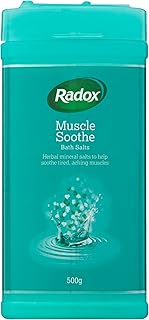
Radox Muscle Soothe Bath Salts 500ml
A widely trusted recovery product, Radox Muscle Soothe combines mineral salts with eucalyptus and spearmint to relieve aching muscles after intense activity. An accessible, effective option for athletes building a home recovery ritual alongside their regular float sessions.
Building a Float Wellness Routine for Long-Term Burnout Recovery
One session of floating therapy can shift your state significantly. But burnout took months or years to build, and sustainable recovery requires a consistent approach. Many practitioners of water floating therapy recommend starting with two sessions per month and increasing to weekly sessions during high-stress periods.
Pairing float therapy spa visits with at-home salt and water therapy baths, adequate magnesium intake, reduced screen time in the evenings, and even short periods of quiet or breathwork creates a layered recovery system that addresses burnout at the physiological level rather than just managing its symptoms.
Float and wellness is not a luxury category anymore. It is a legitimate recovery protocol supported by peer-reviewed research and increasingly recommended by psychologists, physiotherapists, and occupational health specialists working with people experiencing severe stress and burnout.
Final Verdict
Burnout is not a character flaw. It is a physiological state that requires physiological intervention. Floating therapy offers exactly that, a scientifically supported, deeply restorative practice that works with your nervous system rather than pushing through it.
At Secret Soak Society AU, the mission is simple. Help people understand the real science behind water floating therapy, salt float therapy, and salt and water therapy so they can make informed choices about their recovery. Secret Soak Society AU does not sell sessions or run a spa. It exists to share credible, practical information about float and wellness practices so you can find what works for you and use it consistently.
If your tank is running on empty, floating might be exactly the reset your nervous system has been waiting for.
FAQs - (Frequently Asked Questions)
Q1. What does floating therapy actually do for burnout recovery?
Floating therapy activates the parasympathetic nervous system, reducing cortisol and shifting the brain into restorative theta wave states. Regular water floating therapy sessions can significantly lower anxiety, improve sleep quality, and break the chronic stress cycle that drives burnout.
Q2. How many float therapy sessions do I need to feel a difference?
Most people notice a shift after their first session of floating therapy, though deeper benefits accumulate over time. For burnout recovery, practitioners typically recommend starting with two float therapy spa sessions per month alongside consistent float and wellness habits at home.
Q3. Is salt float therapy safe for everyone?
Salt float therapy is generally considered safe for most healthy adults. People with open wounds, certain skin conditions, or severe claustrophobia should consult a healthcare provider first. The salt and water concentration used in water floating therapy is completely natural and non-toxic.
Q4. Can I get the benefits of salt and water therapy at home?
Yes. While a float therapy spa provides the full sensory deprivation experience, regular baths using quality Epsom salt or magnesium flakes can replicate many of the core benefits of salt and water therapy, including muscle recovery, magnesium absorption, and nervous system support as part of a broader float and wellness routine.
Q5. How long do the effects of a float session last?
Research shows that the calming effects of a single floating therapy session can last 24 to 72 hours post-session. With regular water floating therapy practice, many people report lasting reductions in baseline anxiety, improved sleep patterns, and greater emotional resilience over time.





![[Quasi-drug] Bath Salt, Lemon Scent, 21.3 oz (600](https://m.media-amazon.com/images/I/716ZNtnKM-L._AC_UL320_.jpg)


