
Elite and amateur athletes across New South Wales are always chasing one thing: faster, smarter recovery. Whether you are a rugby league player in Sydney, a triathlete training along the Central Coast, or a weekend warrior hitting the trails in the Blue Mountains, the toll on your body accumulates fast. Training loads increase, competition pressure builds, and sleep rarely feels like enough.
That is where water floating therapy is quietly reshaping how NSW athletes approach their recovery protocols. Once considered a fringe wellness concept, water floating therapy has moved firmly into the mainstream performance conversation. Athletes who float report waking up lighter, thinking clearer, and training harder the next day. This blog breaks down exactly how and why water floating therapy works, what the science supports, and how you can build it into your own routine for lasting results.
Supporting Physical Recovery
Muscle soreness is the most obvious sign of a hard training session, but the deeper issue is often inflammation, lactic acid buildup, and cellular fatigue. Salt float therapy addresses all three simultaneously.
When you float in a tank saturated with Epsom salt (magnesium sulphate), your body absorbs magnesium directly through the skin. Magnesium is one of the most critical minerals for muscle function and recovery. It helps reduce inflammation, relax muscle tissue, and support protein synthesis after intense exercise.
The buoyancy created during salt and water therapy removes all gravitational pressure from the joints, spine, and soft tissue. For athletes recovering from heavy sessions, this zero gravity environment allows muscles to fully decompress and elongate without any effort or strain.
Float and wellness practitioners in NSW often report that athletes notice reduced delayed onset muscle soreness (DOMS) within 24 to 48 hours of floating. The combination of magnesium absorption and physical decompression is a powerful duo for speeding up the physical side of recovery.
Nervous System Reset
Modern athletic training does not just stress the muscles. It hammers the nervous system. Repeated high intensity efforts, early morning sessions, emotional stress from competition, and constant stimulation from screens and noise all push the sympathetic nervous system into overdrive.
Water floating therapy creates one of the few environments on earth where the nervous system can genuinely switch off. The tank eliminates external sensory input, including light, sound, temperature variation, and gravity. This shift triggers the parasympathetic nervous system, also known as the rest and digest state.
Salt and water therapy sessions as short as 60 minutes have been shown to dramatically lower cortisol levels, reduce heart rate, and quiet the mental chatter that keeps athletes wound tight even when they are not training. For those pushing their nervous systems to the edge week after week, this kind of reset is not optional. It is necessary.
NSW athletes who incorporate float and wellness sessions regularly often describe it as the most effective way to recover without doing anything at all.
Mindset and Mental Clarity
High performance sport is as much a mental game as it is physical. Anxiety before competition, overthinking technique, fear of injury, and the pressure of team expectations all create psychological noise that blocks peak performance.
Salt float therapy has been studied for its effects on anxiety and mental clarity. Research published in sports science journals has found that regular floating reduces state anxiety and improves mood. For athletes, this translates directly into better focus, greater confidence, and a quieter mind on game day.
The sensory deprivation environment of water floating therapy creates a space for genuine introspection. Athletes use it to mentally rehearse performance, work through tactical decisions, or simply rest the mind completely. Many describe emerging from a float session with a level of clarity that hours of meditation or sleep could not replicate.
In a state like NSW where the sporting culture is intense and competitive at every level, mental wellness tools are increasingly valued. Float and wellness is one of the most effective mental performance tools available to athletes today.
Sleep Quality and Energy Levels
One of the most consistent benefits athletes report from salt and water therapy is dramatically improved sleep. The magnesium absorbed during a float session plays a direct role in regulating melatonin production and calming the nervous system before bed.
Athletes who float in the evening report falling asleep faster, staying asleep longer, and waking up with more energy than usual. This matters enormously because sleep is when the body releases growth hormone, repairs muscle tissue, and consolidates motor learning from training.
A single float therapy spa session can create a cascade of hormonal and neurological conditions that support deeper sleep for one to three nights afterward. For athletes managing heavy training blocks, this window of enhanced sleep quality can be the difference between adapting to load and breaking down under it.
Float and wellness as a recovery strategy works in part because it amplifies the quality of every hour of sleep that follows.
Injury Management and Prevention
Injuries are the greatest threat to any athlete’s career and consistency. Water floating therapy supports injury management in two key ways: reducing inflammation in acute injuries and preventing overuse injuries through regular recovery maintenance.
For soft tissue injuries, the anti-inflammatory properties of salt and water therapy help reduce swelling and promote circulation in damaged areas. Many physiotherapists in NSW now recommend floating as a complement to traditional rehabilitation programs.
From a prevention standpoint, regular floating keeps the connective tissue, joints, and muscles in a more recovered state. Athletes who float consistently are less likely to arrive at training sessions with accumulated fatigue that increases injury risk. The zero gravity environment also allows the spine to fully decompress, which is critical for athletes in high impact sports like rugby, AFL, and basketball.
A trusted float therapy spa in NSW can be a key part of an athlete’s injury prevention strategy, particularly during peak competition periods.
Performance Preparation
Not all floating is about recovery from past effort. Water floating therapy is increasingly used as a preparation tool before major competitions. A float session 24 to 48 hours before a race, game, or event helps athletes arrive in the best possible physiological and psychological state.
The benefits of pre competition floating include reduced anxiety, lower baseline cortisol, improved focus, and fully recovered muscles. Salt float therapy before an event essentially gives athletes a clean slate, physically and mentally.
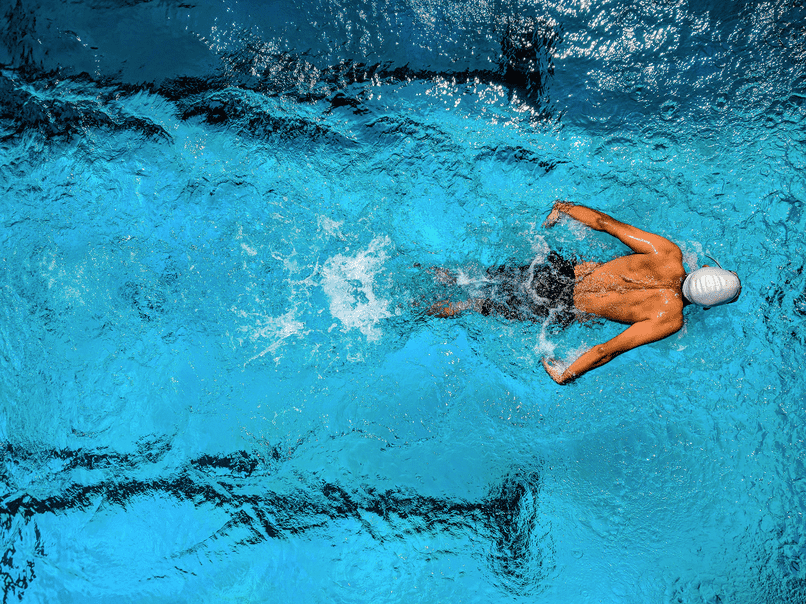
NSW endurance athletes in particular have adopted pre race swimming as part of their taper week protocols. The combination of physical freshness and mental clarity that salt and water therapy provides is difficult to achieve through any other single intervention.
The Athlete’s Float Routine
For maximum benefit, consistency matters. Most performance coaches and float and wellness specialists recommend the following framework for athletes.
Begin with one session per week during heavy training blocks. Float for 60 to 90 minutes per session. Schedule sessions for the afternoon or evening following your most intense training days. Allow yourself the first 20 minutes to settle and stop resisting the silence. Use the final 20 minutes for intentional mental rehearsal or complete rest.
During competition peaks, a second session per week can accelerate recovery significantly. At a quality float therapy spa, the staff can advise on timing and frequency based on your specific sport and training phase.
At Home Recovery Products That Support Your Float Practice
If you cannot make it to a float therapy spa every week, bringing some of the recovery benefits home is entirely possible. The right bath products can extend the restorative effects of salt and water therapy between professional sessions. Here are three products worth adding to your recovery toolkit.

Salts Co Magnesium Flakes Super Blend
Dissolve these high grade magnesium flakes into a warm bath for a genuine transdermal magnesium experience. Ideal for post training muscle recovery, these flakes mirror the mineral benefits of a full float session in your own bathroom. Perfect for evening wind downs after big training days.

Salts Co Pure Epsom & Himalayan Salt
A premium combination of Epsom salts and Himalayan mineral salt designed to reduce muscle tension, ease inflammation, and support deep relaxation. This blend is excellent for athletes who want to replicate the core mineral environment of salt float therapy at home.

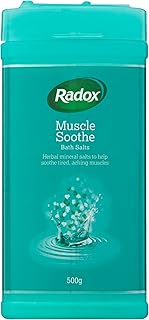
Radox Muscle Soothe Bath Salts 500ml
A widely trusted recovery product, Radox Muscle Soothe combines mineral salts with eucalyptus and spearmint to relieve aching muscles after intense activity. An accessible, effective option for athletes building a home recovery ritual alongside their regular float sessions.
Beyond the Athlete
While this blog focuses on athletic performance, the benefits of water floating therapy extend well beyond sport. NSW residents using float tanks include corporate professionals managing stress, new mothers recovering from birth, chronic pain sufferers, and individuals dealing with anxiety disorders.
Salt and water therapy is fundamentally a human recovery tool. Athletes simply benefit because their physical and psychological demands are so high that the effects become immediately measurable. But anyone living a high stress, high demand life in NSW can draw real benefit from regular floating.
Float and wellness is not a niche treatment. It is a broad spectrum recovery and wellbeing intervention that meets people wherever they are.
A Tool for Longevity in Sport
The conversation around athlete longevity is growing. Players and coaches alike are recognising that sustainable performance over a long career requires smarter recovery, not just harder work. Water floating therapy sits at the intersection of physical recovery, mental wellness, and nervous system health, making it one of the most complete longevity tools available.
Athletes in NSW who start floating in their twenties build recovery habits that can keep them competing well into their thirties and beyond. The cumulative benefits of regular salt float therapy compound over time, resulting in lower injury rates, better sleep, and a more resilient mind.
In a sporting landscape where marginal gains matter enormously, water floating therapy is one of the most underutilised advantages still available.
Final Thoughts
NSW athletes are always looking for the edge that keeps them training consistently, recovering fully, and performing at their best. Water floating therapy offers all of that, backed by growing science and the lived experience of thousands of athletes across the state.
Whether you are brand new to float and wellness or looking to build a more structured protocol, the evidence is clear: floating works. It works for your muscles, your mind, your sleep, and your long term sporting career.
Secret Soak Society AU is dedicated to helping athletes and wellness seekers understand the full picture of recovery. As a trusted information resource, Secret Soak Society AU brings together the latest research, practitioner insights, and practical guidance on tools like salt float therapy, home recovery rituals, and float and wellness strategies so that you can make informed decisions about your own recovery journey.
FAQs - (Frequently Asked Questions)
Q1. What is water floating therapy and how does it help athletes recover?
Water floating therapy involves lying in a float tank filled with warm water saturated with Epsom salt. The high salt concentration creates buoyancy that removes gravitational pressure from the body. For athletes, this environment promotes muscle relaxation, reduces inflammation through magnesium absorption, and resets the nervous system after intense training.
Q2. How often should athletes use salt float therapy for recovery?
Most performance specialists recommend one salt float therapy session per week during heavy training blocks. During competition peaks or high load periods, two sessions per week can accelerate recovery more effectively. Consistency over time yields the greatest cumulative benefits for both physical recovery and mental wellness.
Q3. What is the difference between salt and water therapy at home versus a float tank?
A professional float tank provides a complete sensory deprivation environment with a precise salt concentration that enables full buoyancy. Home salt and water therapy using Epsom or Himalayan salt baths delivers magnesium benefits and muscle relaxation but does not replicate the zero gravity or sensory deprivation effects of a professional float environment.
Q4. Can water floating therapy help with sports injuries?
Yes. Water floating therapy supports injury management by reducing inflammation, promoting circulation in damaged tissue, and allowing full spinal and joint decompression. It is best used as a complement to physiotherapy and medical treatment, not as a standalone injury cure. Many NSW physiotherapists actively recommend floating as part of rehabilitation protocols.
Q5. What should I look for in a float therapy spa in NSW?
A quality float therapy spa should maintain hygienic, well filtered tanks, offer sessions of at least 60 minutes, provide a quiet and comfortable pre and post float environment, and have knowledgeable staff who can advise on session frequency based on your training load. Reading reviews and asking about filtration standards before booking is always recommended.






![[Quasi-drug] Bath Salt, Lemon Scent, 21.3 oz (600](https://m.media-amazon.com/images/I/716ZNtnKM-L._AC_UL320_.jpg)


