
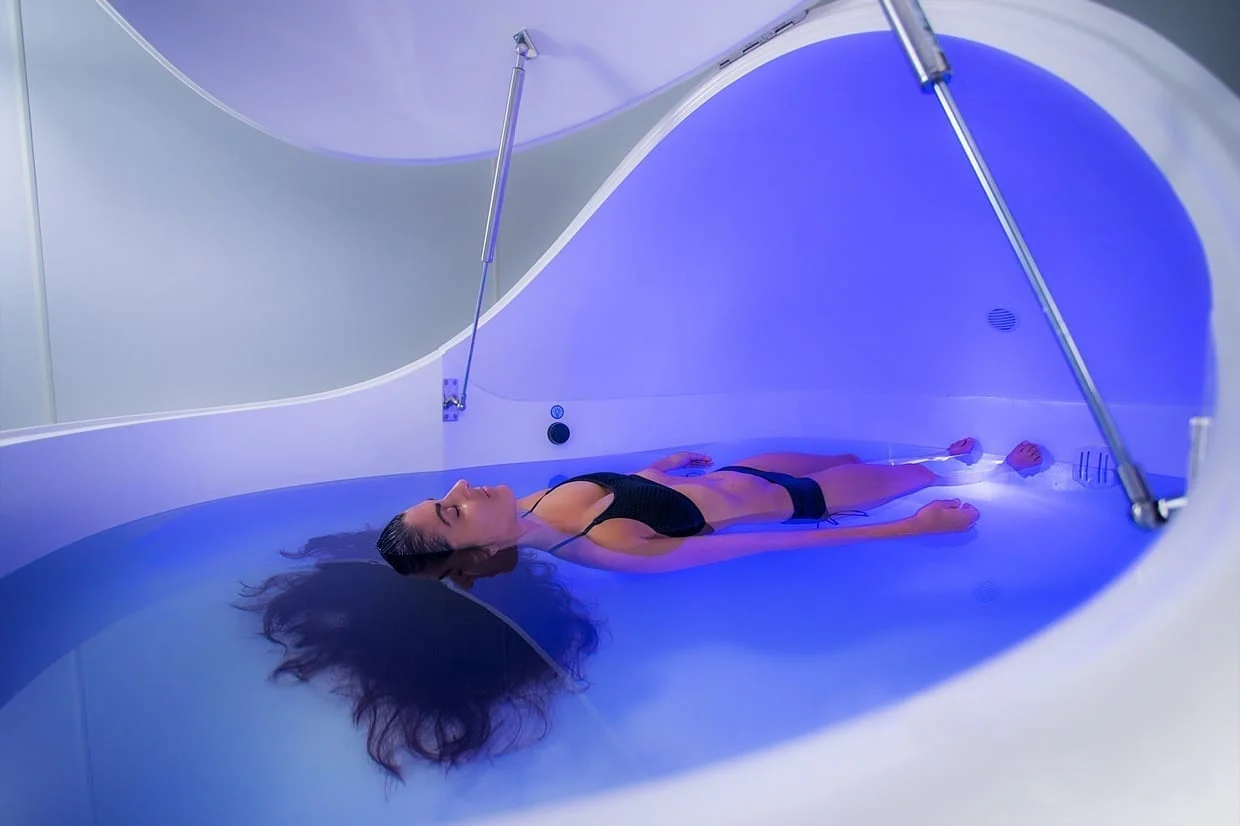
If you’ve been pushing your body hard at the gym, dealing with chronic pain, or simply struggling to switch off from the chaos of everyday life, floatation therapy might be exactly what your recovery routine is missing. Across Australia and right here in Victoria and Queensland more people are discovering the remarkable healing potential of spending time in a float session therapy pod. And the best part? The science actually backs it up.
Let’s break down seven evidence-based benefits that explain why floatation therapy is becoming one of the most sought-after wellness experiences in the country.
1. Dramatically Reduces Muscle Soreness and Physical Pain
One of the most immediate reasons athletes and everyday fitness lovers turn to therapy float sessions is pain relief. The high concentration of Epsom salt (magnesium sulphate) in float tanks means your body becomes virtually weightless. This removes gravitational pressure from your joints, spine, and muscles entirely.
Research published in the journal PLOS ONE found that participants who completed float sessions reported significant reductions in muscle tension and pain compared to control groups. Magnesium absorption through the skin also plays a role. Magnesium is a mineral most Australians are deficient in, and it’s directly linked to muscle function and recovery.
2. Lowers Cortisol and Reduces Stress Hormones
Stress is one of the biggest blockers of physical recovery. When cortisol (your body’s primary stress hormone) stays elevated, your body struggles to repair tissue, regulate sleep, and maintain healthy immune function.
During a float session therapy, your nervous system shifts from “fight or flight” mode into deep parasympathetic rest. Studies from the Laureate Institute for Brain Research in the United States have shown that even a single floatation session meaningfully reduces cortisol levels and activates the body’s relaxation response. For Australians balancing demanding work schedules and active lifestyles, this is a game changer.
3. Improves Sleep Quality
Poor sleep wrecks recovery. Whether you’re an athlete trying to rebuild muscle or someone dealing with anxiety, sleep is where most of the magic happens and floatation therapy has been shown to significantly improve it.
A Swedish study found that participants with chronic stress and sleep difficulties who underwent regular therapy float sessions experienced longer, deeper sleep cycles and reported waking up feeling more restored. The theta brainwave state triggered during floating mimics the hypnagogic state just before sleep essentially training your brain to reach deep rest more easily.
4. Accelerates Athletic Recovery
If you’re serious about sport or fitness, recovery time matters as much as training time. Floatation therapy supports faster recovery by combining the pain-relieving benefits of magnesium, the decompression of gravity-free floating, and the deep neurological rest that lets your body repair at a cellular level.
Many professional sports teams in the US, UK, and increasingly in Australia are incorporating regular float session therapy into their athlete recovery programs. It’s not a trend, it’s a tool backed by measurable performance data. Reduced inflammation, better sleep, and lower stress hormones all directly translate to quicker return to training.
5. Supports Mental Health Anxiety and Depression Relief
The sensory deprivation environment of a floating salt spa does something remarkable for the anxious mind: it removes all external stimuli. No screens, no noise, no visual input. What this does is allow your brain to process, reset, and recalibrate.
Research conducted at the Laureate Institute for Brain Research found that floatation therapy produced significant reductions in anxiety and depression symptoms even in people with diagnosed anxiety disorders. Participants reported heightened feelings of calm, clarity, and wellbeing that persisted well after the session ended. In a world where mental health challenges are on the rise across Australia, this kind of accessible, drug-free relief is worth talking about.
6. Enhances Focus, Creativity, and Cognitive Performance
It might seem counterintuitive lying still in a dark tank doesn’t sound like a productivity hack but regular therapy float sessions have been linked to measurable improvements in focus, problem-solving, and creative thinking.
When your brain is freed from the constant barrage of sensory input, it enters a deeply reflective state. The default mode network (the part of your brain associated with creativity and self-referential thought) becomes highly active. Many artists, entrepreneurs, and high-performers swear by their float session therapy practice for this very reason. It’s like defragmenting your brain.
7. Helps Manage Chronic Pain Conditions
For people living with fibromyalgia, arthritis, lower back pain, or other chronic pain conditions, the relief offered by a floating salt spa can feel nothing short of miraculous. Because the body is completely supported by buoyancy, there’s zero compression on pain points, something that’s almost impossible to replicate in any other environment.
Clinical studies have found that patients with fibromyalgia who completed float therapy reported reduced pain, improved mood, and decreased anxiety and stress. For chronic pain sufferers in Victoria and Queensland, finding a couples float spa near me or a private float studio can become a vital part of a long-term pain management plan, one with no side effects.
Ready to Experience It Yourself?
The evidence is clear floatation therapy isn’t a wellness fad. It’s a scientifically supported recovery and wellbeing tool that works on physical, neurological, and emotional levels simultaneously. Whether you’re recovering from injury, managing stress, sleeping poorly, or simply curious about optimising your health, a float session therapy could deliver benefits you feel from the very first session.
If you’re in Victoria or Queensland and looking for a premium, science-backed float experience whether solo or shared with someone special Secret Soak Society Australia is your destination. From restorative solo sessions to intimate couples float therapy, Secret Soak Society Australia brings world-class floating to your corner of Australia.
FAQs – (Frequently Asked Questions)
Q1. How long should a float session therapy last for the best recovery results?
Most float session therapy sessions run for 60 to 90 minutes, which is generally enough time for your body and nervous system to enter deep recovery mode. Beginners may start with 60 minutes and gradually increase as they grow more comfortable.
Q2. How often should I do floatation therapy to see real benefits?
For noticeable recovery and wellness results, most experts recommend starting with one floatation therapy session per week for the first month. Over time, even fortnightly sessions can maintain the physical and mental benefits effectively.
Q3. Is a floating salt spa safe for people with skin conditions or sensitive skin?
Yes, the high-magnesium Epsom salt solution used in a floating salt spa is generally gentle and non-irritating for most skin types. However, if you have open wounds, severe eczema, or active skin infections, it’s best to consult your doctor before booking.
Q4. Can couples float therapy be done in the same tank together?
Yes, many studios offering couples float spa near me options provide specially designed larger tanks or side-by-side private pods for two people. It’s a deeply relaxing shared experience that many couples find both restorative and connecting.
Q5. What should I do before and after a therapy float session to maximise results?
Avoid caffeine at least two hours before your therapy float and eat only a light meal beforehand to stay comfortable. After your session, drink plenty of water and allow yourself quiet time to fully absorb the mental and physical benefits.






![[Quasi-drug] Bath Salt, Lemon Scent, 21.3 oz (600](https://m.media-amazon.com/images/I/716ZNtnKM-L._AC_UL320_.jpg)


