

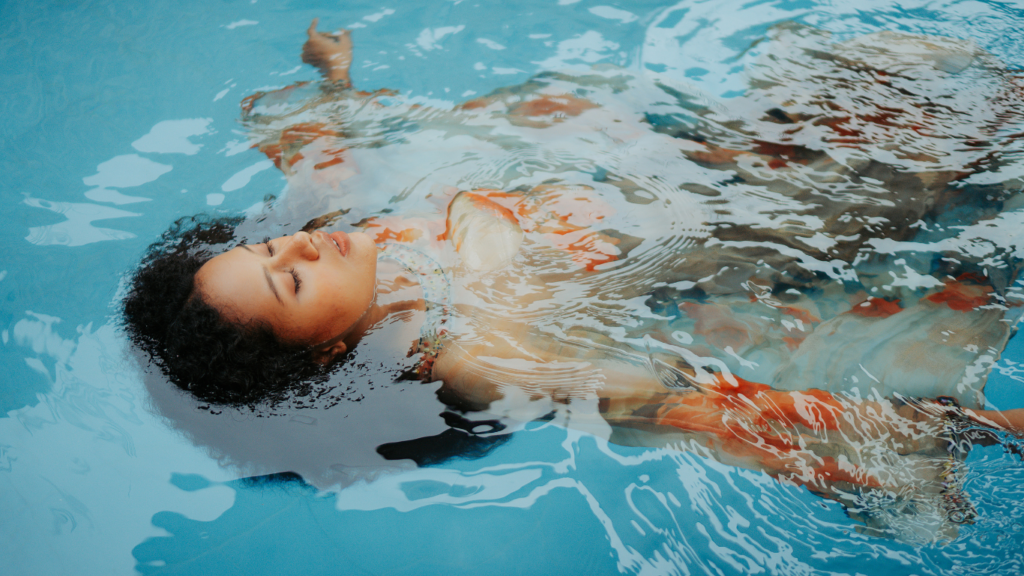
Stress has become an unavoidable part of modern life. Between work deadlines, family responsibilities, and the constant noise of digital notifications, our nervous systems rarely get a chance to fully switch off. That’s why more Australians, particularly in Victoria and Queensland are turning to flotation therapy as a natural, science-backed way to decompress deeply and quickly.
But what exactly happens inside a float tank? And can it really reduce stress in just one session? Let’s break it down.
What Is Flotation Therapy?
Flotation therapy also called floatation therapy or float session therapy involves lying in a specially designed pod or tank filled with highly concentrated Epsom salt (magnesium sulphate) water. The water is heated to skin temperature, and the environment inside the tank is completely dark and silent.
Because the salt concentration is so high, typically around 550 kg of Epsom salt per tank your body floats effortlessly on the surface without any effort. You don’t need to swim. You don’t need to move. The result? Your brain, freed from processing gravity, light, sound, and temperature differences, enters a state of profound rest that most people never experience outside of deep sleep.
The Science Behind Stress Reduction
Here’s where it gets genuinely fascinating. Stress lives in the nervous system. When you’re chronically stressed, your body stays locked in “fight or flight” mode, cortisol stays elevated, muscles stay tense, and your mind keeps spinning. Therapy float sessions work by triggering the opposite response: the parasympathetic nervous system, also known as “rest and digest” mode.
Within the first 20–30 minutes of a float session, research shows that:
- Cortisol levels drop significantly the primary stress hormone responsible for anxiety and inflammation
- Dopamine and endorphins increase improving mood almost immediately
- Blood pressure lowers reducing cardiovascular tension caused by chronic stress
- Muscle tension releases the magnesium in the water absorbs transdermally through the skin, acting as a natural muscle relaxant
- Theta brainwave activity increases the same state experienced in deep meditation, which takes years of practice to achieve consciously
Why a Float Session Works Faster Than You’d Expect
One of the most common questions first-timers ask is: “Will I even relax? I can’t sit still for five minutes.”
This is understandable. But the beauty of float session therapy is that it doesn’t ask your mind to cooperate, it physically removes the triggers keeping your mind active. There’s no screen to check, no sound to process, no temperature discomfort pulling you back to awareness.
Most people report shifting from anxious to deeply calm within 30–40 minutes. By the 60-minute mark, many experience a dream-like clarity that lingers for hours sometimes days after stepping out of the tank.
Regular floaters in Victoria and Queensland describe improved sleep, reduced anxiety, sharper mental focus, and a noticeably lighter emotional state after consistent sessions.
The Role of Magnesium in Stress Relief
It’s worth singling out magnesium, because most Australians are deficient in it and magnesium deficiency is directly linked to increased anxiety, poor sleep, and heightened stress responses.
A single session at a floating salt spa allows your skin to absorb a meaningful dose of magnesium directly. This bypasses the digestive system entirely, making it far more bioavailable than oral supplements.
Magnesium helps regulate the nervous system, support neurotransmitter function, and reduce the physical symptoms of anxiety, tight chest, shallow breathing, restless muscles. This is one reason why people walk out of the tank feeling so noticeably different from how they walked in.
Couples Floating Shared Relaxation, Deeper Connection
Stress doesn’t just affect individuals, it affects relationships too. When both partners are running on empty, connection suffers. That’s why couples float therapy has become one of the most popular wellness experiences for partners across Australia.
At a couples float spa near me (searched by thousands of Australians monthly), couples typically float in separate pods side by side, or in specially designed rooms with two tanks. The experience of resetting together both arriving stressed, both leaving calm creates a shared sense of ease that’s hard to replicate through any other activity.
Many couples report that floating together improves their communication, reduces relationship tension, and gives them a shared wellness ritual they genuinely look forward to. It’s a date night with real, measurable benefits.
What to Expect on Your First Float
If you’re new to floatation therapy, here’s a simple breakdown of what a typical session looks like:
Before: You shower, insert earplugs, and step into the pod. The water is shallow, about 25–30 cm deep and warm against your skin.
During: You lie back, let the salt water take your weight, and allow yourself to drift. Most people take 20–30 minutes to fully settle. After that, time seems to dissolve.
After: You shower again to rinse off the salt, and most people describe feeling a pleasant heaviness deeply relaxed but mentally clear. It’s often described as the feeling of waking from the best sleep of your life.
Sessions typically run for 60 or 90 minutes. Beginners often start with 60 minutes and extend from there.
Is Flotation Therapy Right for You?
Floatation therapy is suitable for almost everyone. It’s particularly beneficial for people experiencing:
- Chronic stress or burnout
- Anxiety and overthinking
- Insomnia or disrupted sleep
- Chronic muscle pain or tension
- Post-workout recovery needs
- Emotional exhaustion
Final Thoughts
Stress reduction doesn’t have to be complicated. Sometimes it just requires removing yourself literally from everything demanding your attention, and giving your nervous system the silence it’s been craving. Flotation therapy, floating salt spas, and therapy float sessions are not luxury indulgences. They are practical, evidence-based tools for managing the very real pressures of modern Australian life. Whether you’re booking a solo session to reset after a hard week, or exploring couples float therapy with your partner, the benefits begin from your very first float.
If you’re ready to experience what genuine stillness feels like, Secret Soak Society Australia is here to guide you through every step of your float journey from your very first session to becoming a regular part of your wellness routine.
FAQs – (Frequently Asked Questions)
Q1. How long does a float session therapy take to reduce stress?
Most people feel noticeably calmer within 30–40 minutes of entering the tank. The stress-relieving effects often last for hours or even days after a single session.
Q2. Is flotation therapy safe for first-time floaters?
Yes, floatation therapy is completely safe for beginners. The water is only 25–30 cm deep, and you remain in full control of your environment throughout the entire session.
Q3. What should I expect at a floating salt spa?
You’ll shower before and after your session, float effortlessly in warm Epsom salt water, and emerge feeling deeply relaxed and mentally refreshed. Staff guide you through everything on your first visit.
Q4. Can couples float therapy help improve relationships?
Absolutely, resetting together lowers stress for both partners simultaneously. Many couples find that shared float sessions reduce tension and strengthen their emotional connection over time.
Q5. How often should I book floatation therapy sessions for best results?
Most wellness experts recommend starting with one session per week for the first month. Once you experience the benefits, many Australians in Victoria and Queensland settle into a fortnightly routine.





![[Quasi-drug] Bath Salt, Lemon Scent, 21.3 oz (600](https://m.media-amazon.com/images/I/716ZNtnKM-L._AC_UL320_.jpg)


