

Float Therapy Guide
Float therapy, also known as sensory deprivation therapy, is quickly gaining recognition as one of the most innovative and effective practices for enhancing both mental and physical well-being. Imagine floating effortlessly in a serene, temperature-controlled float tank, immersed in water supersaturated with Epsom salts. This creates a truly unique experience that promotes profound relaxation by minimizing external stimuli such as sound, light, and touch. As your body and mind disengage from the overwhelming demands of everyday life, you enter a deeply restorative state—free from the usual distractions—allowing your body and mind to reset, recover, and thrive.
Whether you’re seeking to melt away stress, find relief from chronic pain, enhance your sleep quality, or spark your creativity, float therapy offers a natural and holistic solution. The therapeutic benefits of floating extend far beyond simple relaxation; it’s an experience that helps reduce anxiety, alleviate physical discomfort, foster mental clarity, and support recovery from physical exertion. With its growing popularity, float therapy has become a go-to wellness trend for those in pursuit of a deeper sense of balance and vitality.
Why Float Therapy Matters:

- Total Relaxation: Float therapy allows your body to release built-up tension, promoting deep relaxation that helps you recharge both mentally and physically.
- Mental Clarity and Focus: The sensory-free environment helps clear mental clutter, boosting focus, cognitive function, and emotional balance.
- Restful Sleep: Regular sessions can significantly improve sleep quality by helping you de-stress and reset your circadian rhythm.
- Chronic Pain Relief: The buoyancy provided by the Epsom salt water takes the pressure off muscles and joints, offering relief for those with chronic pain, muscle strains, or injuries.
- Creative Inspiration: By quieting external stimuli, float therapy unlocks your creative potential, allowing fresh ideas to flow more freely.
What Is Float Therapy and How Does It Work?
The Science Behind Float Therapy
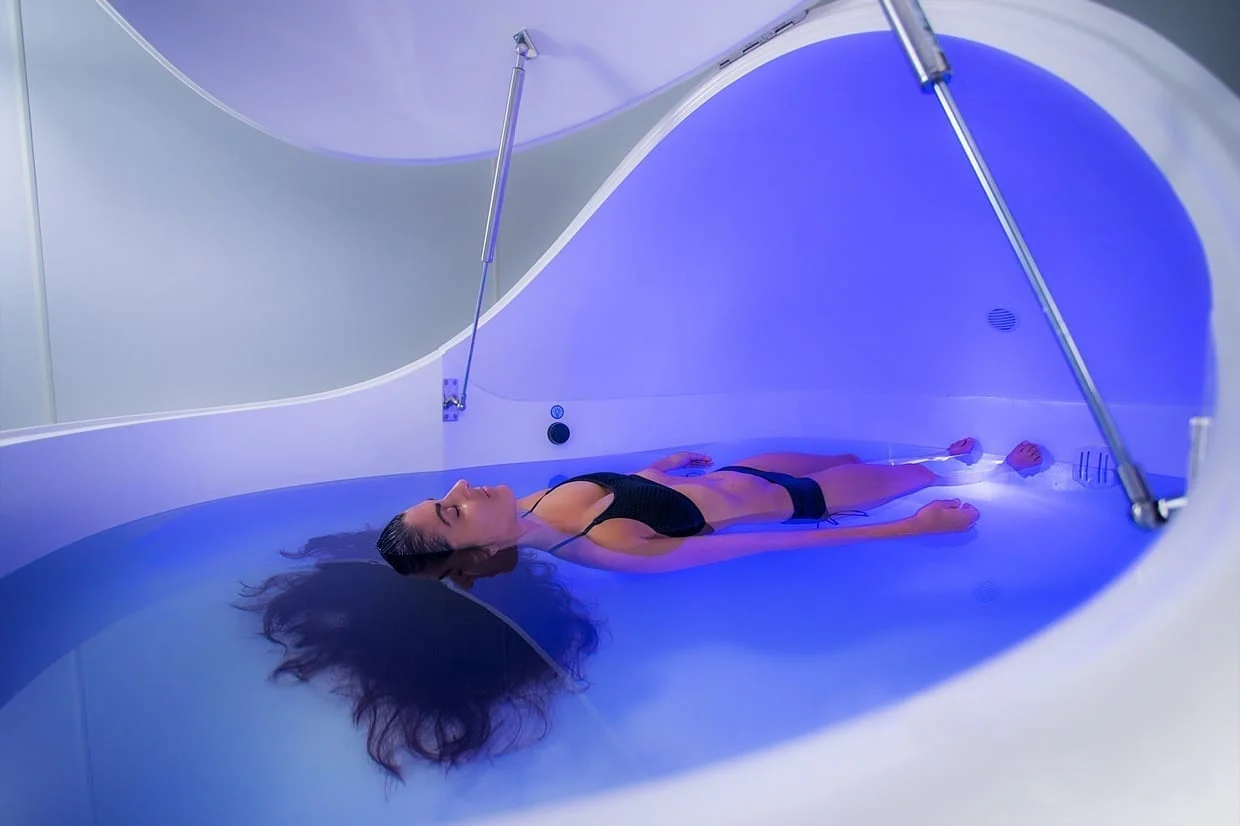
The floatation tank works by creating an environment that mimics weightlessness. The water temperature is set to body temperature, which further minimizes the feeling of the water on the skin. As a result, your body experiences a state of total relaxation.
Buoyancy of Water
The water is rich in Epsom salts (magnesium sulfate), which makes it dense and provides buoyancy, allowing you to float effortlessly. This alleviates the pressure on your muscles and joints, making float therapy especially beneficial for those with chronic pain or stress-related conditions.
Purpose of Sensory Deprivation Tank
The main purpose of the sensory deprivation tank is to eliminate external distractions, allowing your mind to enter a meditative state and achieve deep relaxation. When the brain is not bombarded with stimuli, it has the opportunity to reset and improve mental clarity.
Key Benefits
Promotes relaxation and reduces stress.
Helps relieve physical pain by alleviating pressure on muscles and joints.
Increases mental clarity and cognitive function.
Provides an environment for meditation and emotional healing.
The combination of sensory deprivation and the therapeutic properties of Epsom salt makes float therapy a powerful tool for improving overall wellness.

How Can Float Therapy Help Relieve Chronic Pain?
Chronic pain can be a debilitating condition that negatively affects a person’s quality of life. Whether it’s from an injury, disease, or long-term muscle strain, managing chronic pain often involves a variety of treatments. Float therapy has emerged as an alternative or complementary treatment option for pain relief.

- Reduction of Muscle Tension: The buoyancy in the float tank helps relieve the pressure on joints and muscles, allowing them to fully relax without the weight of gravity. This can provide immediate relief from muscle tension, soreness, and stiffness associated with chronic pain conditions like fibromyalgia, arthritis, or sciatica.
- Magnesium Absorption: Epsom salts, which are rich in magnesium, are dissolved in the water, allowing your body to absorb magnesium through the skin. Magnesium plays a vital role in muscle function, and increasing magnesium levels can help reduce muscle cramps, spasms, and inflammation.
- Improved Circulation and Reduced Inflammation: The relaxing effect of floatation therapy allows for better blood flow throughout the body, which promotes faster healing, reduces inflammation, and alleviates the discomfort associated with chronic pain.
Benefits:
- Eases muscle tension and reduces inflammation.
- Relieves discomfort caused by conditions like fibromyalgia and arthritis.
- Reduces the need for pain medications in some cases.
- Enhances overall well-being and quality of life.
What Role Do Float Tanks Play in Mental Clarity and Focus?
In our modern, fast-paced world, mental clarity and focus can be difficult to achieve. The constant bombardment of stimuli, such as social media, work pressures, and daily distractions, can make it hard to concentrate and think clearly. Float therapy offers a unique solution by providing an environment conducive to mental rejuvenation.
- Heightened Cognitive Performance: The relaxation achieved during float therapy helps optimize brain function by boosting the production of serotonin and dopamine. These neurotransmitters are responsible for mood regulation, focus, and concentration.
- Mental Reset: Floating in a sensory deprivation tank helps the brain disconnect from external distractions. The absence of noise, light, and physical sensation allows the brain to enter a state of deep relaxation and focus. This mental reset enhances cognitive function and improves concentration.
- Reduction of Mental Clutter: Sensory deprivation promotes a meditative state where individuals can let go of stress and worry. By silencing the mental clutter that accumulates from daily life, float therapy helps clear the mind, which improves decision-making and problem-solving abilities.


- How It Enhances Focus: Floatation therapy also has an impact on neuroplasticity, the brain’s ability to adapt and rewire itself. Studies suggest that regular float sessions can help improve attention span, creativity, and the ability to solve complex problems.
Benefits:
- Reduces mental clutter and stress.
- Increases focus and cognitive performance.
- Enhances creativity and problem-solving skills.
- Promotes clarity and calmness, even in stressful situations.
Float therapy offers a way to quiet the mind, recharge mental batteries, and approach tasks with a renewed sense of clarity and purpose.
Is Float Therapy a Good Solution for Post-Workout Recovery?
After an intense workout, muscle soreness and fatigue can set in, making it difficult to recover quickly. Float therapy is increasingly becoming a popular method for post-workout recovery due to its ability to aid in muscle relaxation and healing.

- Muscle Relaxation: The weightlessness of floating reduces the pressure on tired muscles, allowing them to fully relax. This reduces the risk of injuries and minimizes soreness in the muscles and joints after a strenuous workout.
- Magnesium and Muscle Recovery: The high concentration of magnesium in Epsom salts plays a critical role in muscle recovery. Magnesium helps to restore energy levels in the muscles and reduces cramping or stiffness that often follows intense physical activity.
- Improved Blood Flow: Floating allows for better circulation throughout the body. This helps oxygen and nutrients reach fatigued muscles, promoting faster healing and reducing inflammation caused by post-workout microtears.
- How It Helps Post-Workout: The deep relaxation induced by float therapy helps reduce the production of cortisol, the stress hormone, and encourages the release of endorphins. These chemicals not only help with relaxation but also promote pain relief and improve overall recovery.
Benefits:
- Speeds up muscle recovery and reduces soreness.
- Reduces inflammation and promotes faster healing.
- Improves circulation and oxygen delivery to muscles.
- Helps restore energy levels after exercise.

How Does Floatation Therapy Impact Sleep Quality?
One of the most common benefits of float therapy is its positive effect on sleep quality. Many individuals struggle with insomnia or poor sleep patterns, and floatation therapy provides a non-invasive method to improve sleep quality and overall restfulness.
Improved Sleep Patterns
Regular float sessions can help reset the body’s circadian rhythm, leading to more consistent and restful sleep over time. Studies have shown that people who engage in float therapy regularly experience improved sleep patterns and higher sleep quality.
Relaxation Response
Floatation therapy promotes deep relaxation by eliminating external stimuli. This helps reduce the levels of cortisol (the stress hormone) in the body and triggers the parasympathetic nervous system, which controls the body’s relaxation response. The result is a feeling of calm that prepares the body for restful sleep.
Increased Melatonin Production
The sensory deprivation experience helps regulate the body’s natural sleep-wake cycle by encouraging the production of melatonin, the hormone responsible for sleep. This can help individuals fall asleep faster and stay asleep longer.
How Float Therapy Helps with Sleep
Floatation therapy provides an environment that reduces stress and anxiety, which are common culprits of sleep disturbances. It allows the mind to unwind, and the body to relax, making it easier to achieve restorative sleep.

Benefits:
- Reduces stress and promotes relaxation, which improves sleep quality.
- Regulates sleep patterns and supports circadian rhythm.
- Enhances overall restfulness and sleep depth.
- Reduces symptoms of insomnia and sleep-related disorders.
Can Float Therapy Enhance Creativity and Problem-Solving?
Creativity and problem-solving abilities are essential for personal growth, business success, and artistic endeavors. However, in today’s world, we are often surrounded by constant distractions that hinder our creative potential. Float therapy offers an opportunity to enhance creativity by allowing the mind to relax and focus in a sensory-free environment.
- Mental Freedom: In the sensory deprivation tank, all external distractions like light, sound, and physical sensations are removed. This encourages the brain to enter a deep state of relaxation and mental clarity, where it’s easier to think creatively and solve problems. Many individuals report experiencing heightened creativity after a float session, as the tank provides a space for free-flowing thoughts and ideas.
- Accessing Subconscious Mind: The deep relaxation that comes with floatation therapy allows individuals to tap into their subconscious mind. This access to deeper cognitive levels can help unlock new perspectives and solutions to problems that seemed unsolvable before.
- Enhanced Focus: The absence of distractions allows the mind to zero in on specific issues or creative processes. The brain’s ability to focus improves during a float session, which can lead to innovative thinking and solutions.

How It Works
The brain is capable of entering a highly productive state during float therapy, which encourages creativity and fosters problem-solving skills. It’s as if the mind has space to work through challenges without being interrupted, allowing for a clearer path to solutions and fresh ideas.

Benefits:
- Enhances creative thinking and ideation.
- Encourages out-of-the-box solutions and innovative thinking.
- Boosts cognitive function and mental clarity.
- Reduces mental clutter and stress that block creativity.
Float therapy provides an environment where creativity and problem-solving skills can flourish, offering a boost to anyone looking to improve their cognitive performance.
How Does Float Therapy Help with Stress Management?
Reduction of Cortisol Levels
Induces the Relaxation Response
The float tank provides an ideal environment for the body to activate the parasympathetic nervous system, which is responsible for the “rest and digest” state. This helps counter the effects of the sympathetic nervous system, which governs the body’s “fight or flight” response during stressful situations.
Improved Emotional Regulation
Float therapy helps reduce the psychological impacts of stress by promoting emotional healing. The deep sense of calm experienced during a float session allows individuals to process emotions more clearly, leading to a more balanced emotional state.
How It Works:
The purpose of floatation therapy is to eliminate external stimuli, which allows your body to enter a state of deep relaxation. This process has been shown to help lower anxiety and stress levels while boosting overall well-being and emotional resilience.
Benefits:
- Lowers cortisol levels, reducing stress.
- Enhances emotional regulation and mental calm.
- Promotes relaxation and a sense of well-being.
- Provides a natural and effective stress management tool.

What Are the Long-Term Benefits of Regular Float Sessions?
Float therapy isn’t just a one-time solution for relaxation; the benefits of regular floatation therapy sessions compound over time. Many individuals who engage in float therapy on a consistent basis experience lasting improvements in their physical and mental well-being.

- Chronic Pain Relief: For individuals dealing with chronic pain, regular float sessions can significantly reduce symptoms. The buoyancy of the water and the relaxing effect of float therapy help manage pain more effectively over time.
- Improved Mental Health: Regular sessions can help alleviate symptoms of depression, anxiety, and stress. By reducing the production of stress hormones and promoting the release of feel-good neurotransmitters like serotonin and dopamine, float therapy helps stabilize mood and boost mental health.
- Enhanced Sleep Quality: Consistent float therapy has a positive impact on sleep quality. It helps regulate the body’s natural sleep-wake cycle, making it easier to fall asleep and stay asleep.
- Long-Term Relaxation: The more often you float, the more your body and mind become accustomed to the deep relaxation it provides. Over time, individuals often report feeling more calm and centered, even in stressful situations..
How It Works
Benefits:
- Provides long-lasting relief from chronic pain and inflammation.
- Helps maintain a stable mood and emotional well-being.
- Improves sleep quality over the long term.
- Increases mental clarity, focus, and productivity.

Can Sensory Deprivation Float Tanks Improve Your Mood?
Boost in Serotonin Levels
Floating has been shown to increase serotonin levels, a neurotransmitter that helps regulate mood, happiness, and emotional stability. This can be especially beneficial for individuals dealing with depression or long-term stress.nificant improvements in your quality of life, both physically and mentally.
Increased Endorphin Production
One of the key benefits of floatation therapy is its ability to stimulate the release of endorphins, the body’s natural mood elevators. The deep relaxation experienced during a float session helps improve mood and reduce feelings of anxiety or depression.
Reduction in Anxiety
Sensory deprivation helps the mind disengage from stressors and anxiety-inducing thoughts. This state of mental calm allows individuals to gain clarity and manage negative emotions more effectively.
How It Works
When floating in a sensory deprivation tank, the body and mind enter a deep state of relaxation. This lack of external stimulation allows individuals to reconnect with their emotional state and process difficult emotions, leading to an improvement in mood and mental clarity.

Benefits:
- Boosts mood and reduces symptoms of depression.
- Helps reduce anxiety and stress through relaxation.
- Encourages a positive mental state and emotional healing.
- Enhances overall mental well-being.
What Is the Connection Between Float Therapy and Brainwave Activity?
- Changes in Brain Chemistry: By facilitating a shift in brainwave patterns, float therapy can help improve mood, reduce stress, and promote overall cognitive function. The deep relaxation achieved in the float tank supports emotional healing by allowing the brain to reset and recharge.emotional balance, offering a natural remedy for mood disorders and stress.
- Theta Waves and Deep Relaxation: During floatation therapy, the brain typically enters a state dominated by theta waves. These brainwaves are associated with deep relaxation, creativity, and even meditative states. This is why many individuals experience a sense of mental clarity and heightened creativity after floating.
- Alpha Waves and Calm Focus: Floatation therapy also encourages the production of alpha waves, which are linked to a calm yet alert state. This makes float therapy an ideal practice for anyone looking to enhance focus and creativity.

How It Works

Benefits:
- Encourages the production of theta and alpha brainwaves, which are associated with relaxation, creativity, and focus.
- Reduces stress and anxiety by inducing a calm, balanced brain state.
- Enhances cognitive function and mental clarity.
Can Float Therapy Help with Post-Traumatic Stress Disorder (PTSD)?
Enhanced Neuroplasticity
Relaxation and Emotional Processing
Float therapy offers a safe space where individuals can process their emotions without external distractions. The deep relaxation facilitated by the sensory deprivation tank allows the mind to release pent-up emotional tension and provides a calm, peaceful environment for healing.
Reduction of Anxiety and Hyperarousal
PTSD often leads to a state of heightened anxiety, arousal, and emotional overreaction. Floating helps activate the parasympathetic nervous system, which reduces stress levels, lowers anxiety, and helps regulate emotional responses.
How It Helps PTSD
Benefits
- Provides a peaceful space for emotional release and healing.
- Reduces anxiety and hyperarousal symptoms common in PTSD.
- Encourages neuroplasticity, helping to rewire the brain and heal from trauma.
- Supports emotional regulation and recovery from traumatic events.

What Makes Floatation Tanks Different from Traditional Relaxation Methods?

- Enhanced Mental Clarity: The sensory deprivation aspect of float therapy enables the mind to focus and become more aware, leading to improved mental clarity and emotional balance. This heightened state of awareness and relaxation goes beyond what most traditional relaxation practices can offer.
- Complete Sensory Deprivation: Unlike traditional relaxation methods, floatation therapy takes relaxation to the next level by completely eliminating external stimuli, including sound, light, and touch. This allows individuals to experience a deeper level of relaxation and stress relief that is not possible through conventional methods.
- Gravity-Free Environment: Floating in a buoyant solution of Epsom salts helps relieve physical tension and discomfort by allowing the body to experience weightlessness. This is something traditional relaxation methods, which often involve sitting or lying down, cannot achieve.
How It Works
Benefits
- Provides a level of relaxation that goes beyond traditional methods.
- Enhances mental clarity and focus.
- Relieves physical tension and stress in a way that other methods cannot.
- Promotes emotional healing and mental well-being.

Can Float Therapy Improve Your Immune System?
Stress Reduction
Chronic stress suppresses the immune system, making you more susceptible to illness. Float therapy helps reduce stress by lowering cortisol levels, which in turn supports optimal immune system function.
Magnesium Absorption
Epsom salts, rich in magnesium, are absorbed through the skin during float sessions. Magnesium plays a crucial role in immune function by helping to regulate the body’s inflammatory response and improving overall health.
Improved Sleep
Quality sleep is essential for maintaining a strong immune system. The relaxation achieved during float therapy helps improve sleep quality, which further supports immune health.ion.
How It Works
The combination of reduced stress, improved sleep, and magnesium absorption contributes to a stronger immune system. The deep relaxation that comes with floatation therapy can lead to better overall health and a more resilient immune system.
Benefits
- Reduces stress and supports immune health.
- Enhances magnesium levels, which support immune function.
- Improves sleep, which is essential for immune system recovery.
- Strengthens the body’s ability to fight off infections and illnesses.
How Does Float Therapy Promote Emotional Healing?
- Encourages Self-Reflection: The sensory isolation provided by float therapy allows individuals to disconnect from external distractions, facilitating a deeper sense of self-awareness and emotional introspection. This helps individuals better understand their emotions and heal from past experiences.th.
- Facilitates Emotional Release: The deep state of relaxation induced by floatation therapy helps individuals release trapped emotions, allowing them to process feelings they may have been suppressing. This can be especially helpful for individuals dealing with grief, anxiety, or trauma.
- Reduces Stress and Anxiety: Emotional healing often requires the reduction of stress and anxiety. Float therapy helps lower cortisol levels, calming the nervous system and creating a mental environment conducive to emotional healing.

How It Works

Benefits
- Helps release trapped emotions and promotes emotional healing.
- Reduces anxiety and stress, which can hinder emotional recovery.
- Promotes introspection and self-reflection.
- Enhances overall mental and emotional well-being.
How Can Floatation Tanks Help with Mental Fatigue?
Restoring Cognitive Function
Float therapy helps recharge the brain by providing a space where it can rest and recover from mental exertion. The lack of external stimuli allows the brain to reset, reducing feelings of burnout and cognitive exhaustion.
Promotes Deep Relaxation
Mental fatigue is often accompanied by physical tension. The deep relaxation achieved in the floatation tank helps release muscle tension, which is commonly associated with stress and fatigue, contributing to mental rejuvenation.
Enhanced Focus and Clarity After a float session, many individuals report feeling more mentally alert, clear-headed, and focused. This improved cognitive function allows the brain to perform more efficiently, combating mental fatigue.
How It Helps
Benefits
- Reduces mental fatigue and helps restore cognitive function.
- Improves focus, clarity, and productivity.
- Eases muscle tension associated with stress and mental exhaustion.
- Provides a natural way to rejuvenate the mind and body.
What Are the Benefits of Using Float Tanks for Mindfulness Practices?

- Increased Self-Awareness: The practice of mindfulness encourages self-awareness and emotional regulation. Floatation therapy promotes this by allowing individuals to connect with their thoughts and feelings without interference from external noise or stress.
- Enhanced Focus: The sensory deprivation tank eliminates all distractions, helping individuals focus entirely on their thoughts, sensations, and breath. This enhanced concentration makes it easier to engage in mindfulness practices.
- Deepened Meditation: Float therapy provides a unique environment for meditation, allowing individuals to achieve a deeper level of relaxation and mindfulness. Without external distractions, the brain can enter a calm, meditative state more easily.
How It Works
Benefits
- Enhances mindfulness and focus.
- Promotes deep meditation and relaxation.
- Increases self-awareness and emotional regulation.
- Provides a safe, distraction-free space for mindfulness practices.
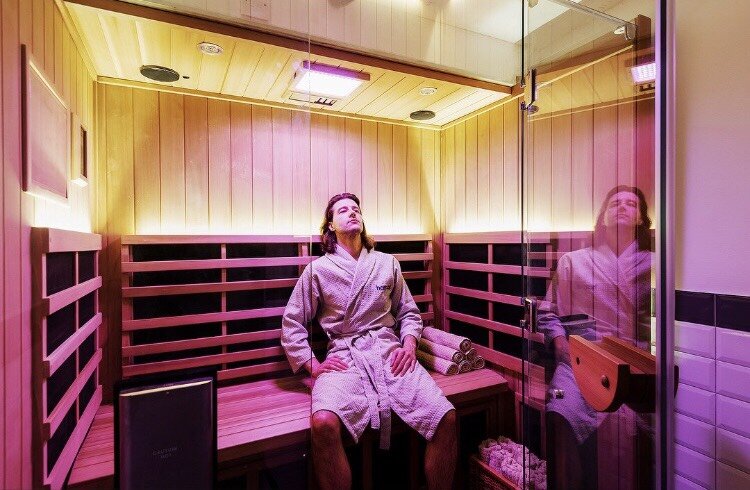
While floating in the tank, the skin absorbs magnesium, which helps reduce skin inflammation and promote healing. At the same time, the buoyant water helps relax the body, stimulating circulation and supporting the body’s natural detoxification processes.
Can Float Therapy Help with Skin Health and Detoxification?
Improved Skin Tone and Texture
Magnesium Absorption for Skin Health
Detoxification
How It Works

Benefits
- Supports skin hydration and reduces inflammation.
- Promotes detoxification by encouraging toxin release through the skin.
- Improves skin tone, texture, and overall appearance.
- Reduces symptoms of certain skin conditions like acne and eczema.
How Can Float Therapy Aid in Balancing Your Nervous System?
- Enhanced Stress Resilience: Regular float sessions can improve your ability to manage stress by teaching your nervous system to remain calm in challenging situations. This strengthens your overall emotional resilience and helps you maintain a balanced state of mind.
- Activation of the Parasympathetic Nervous System: Float therapy promotes a state of deep relaxation by activating the parasympathetic nervous system, the part of the autonomic nervous system responsible for “rest and digest” functions. This helps calm the body and reduce the impact of stress.
- Reduced Sympathetic Nervous System Activation: The sympathetic nervous system, responsible for the “fight or flight” response, can be overactive in individuals under chronic stress. Floatation therapy helps deactivate this system, leading to a more balanced and relaxed state.
How It Works

Benefits
- Balances the autonomic nervous system, promoting relaxation.
- Reduces the negative effects of chronic stress on the body.
- Enhances emotional resilience and stress management.
- Supports overall mental and physical well-being.
Is Float Therapy Effective for Managing Anxiety Without Medication?
Reduction of Stress and Anxiety
Floatation therapy helps lower cortisol levels, the body’s primary stress hormone. This reduction in cortisol helps calm the nervous system and decreases feelings of anxiety.
Encourages a Deep State of Relaxation
Floating in a sensory deprivation tank provides the opportunity for the mind to enter a state of deep relaxation, making it easier to cope with anxious thoughts and feelings. By creating a calm environment, float therapy helps break the cycle of anxiety and stress.
Improved Emotional Regulation
The deep relaxation during float sessions also improves emotional regulation by helping individuals process and manage their emotions in a safe and controlled environment.
How It Works
By removing external stimuli and providing an environment free from distractions, float therapy allows the brain to relax deeply. This triggers the body’s natural relaxation response, helping to reduce anxiety and improve mental well-being.
Benefits
- Reduces anxiety and stress without the need for medication.
- Helps improve emotional regulation and mental clarity.
- Encourages a sense of peace and tranquility, reducing anxious thoughts.
- Promotes overall mental health and emotional balance.

Can Floatation Tanks Be Used for Spiritual or Personal Growth?

- Promotes Emotional Healing: Float therapy helps release emotional blockages, allowing individuals to confront and process unresolved emotions. This emotional healing is an essential part of personal growth and spiritual development.
- Enhanced Self-Awareness: The sensory isolation provided by floatation tanks promotes a deep state of self-awareness, allowing individuals to connect with their inner thoughts, feelings, and desires. This can be particularly beneficial for individuals on a journey of self-discovery or personal growth.
- Facilitates Meditation and Mindfulness: Floatation therapy supports meditation and mindfulness practices by providing an environment free of distractions. This allows individuals to meditate deeply and achieve a greater sense of spiritual clarity and peace.
How It Works
Benefits
- Facilitates personal growth by promoting self-awareness and introspection.
- Supports spiritual practices like meditation and mindfulness.
- Aids in emotional healing and the release of past trauma.
- Helps individuals connect with their inner self and higher consciousness.