
Burnout has become one of the most common health challenges in today’s fast-paced world. Whether it’s work stress, emotional fatigue, or the overwhelming demands of modern life, people are searching for natural ways to heal. This is exactly why wellness experts around the world increasingly recommend Float Session Therapy as a powerful, science-backed method for burnout recovery.
Float centres in Australia, the US, and Europe have all reported a major surge in users seeking Float Session Therapy for stress, anxiety, and emotional exhaustion. What used to be seen as a niche wellness treatment is now becoming a mainstream therapy recommended by psychologists, mindfulness coaches, sports experts, and holistic practitioners.
Understanding Burnout: Why Your Brain and Body Need a Reset
Burnout isn’t simply “feeling tired.” It’s a deep neurological and emotional condition caused by prolonged stress. Burnout disrupts:
- Sleep patterns
- Hormonal balance
- Cognitive clarity
- Emotional regulation
- Physical energy levels
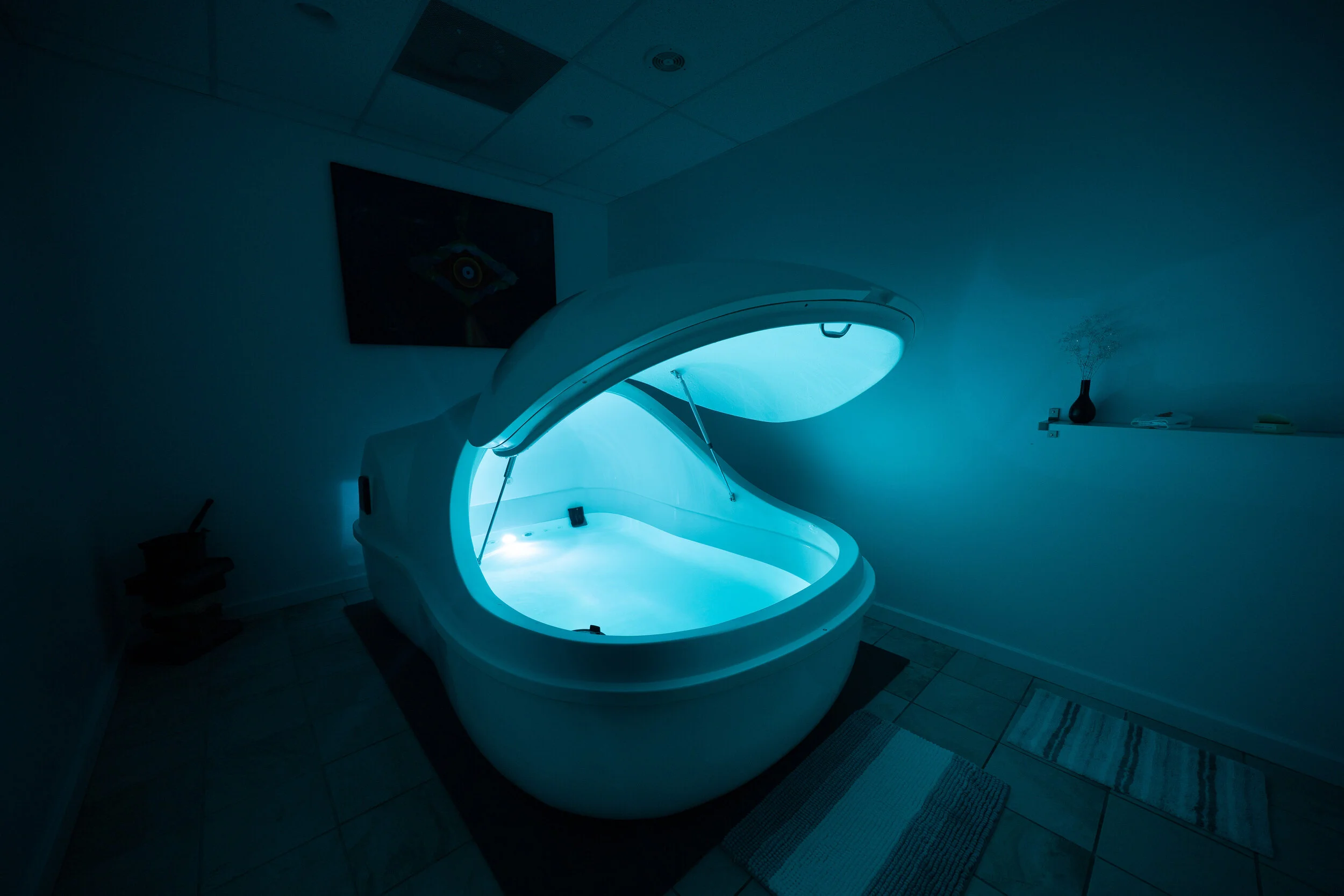
This is where Float Session Therapy becomes uniquely effective. Unlike traditional relaxation methods, floating creates a zero-gravity, sensory-free environment that removes every external pressure from your mind and body.
Wellness professionals agree that the Benefits of Floatation Tanks directly target the root causes of burnout: sensory overload, chronic tension, and mental fatigue.
How Float Session Therapy Works for Burnout Recovery
1. Floating Deactivates the Stress Response System
The moment you enter the float tank, your nervous system shifts from fight-or-flight to rest-and-repair. This deep relaxation state allows the body temperature, heart rate, and cortisol levels to drop significantly.
Many psychologists highlight that Float Session Therapy is one of the only non-invasive methods capable of triggering such a deep parasympathetic response naturally. This is why wellness experts consistently talk about Float Tank Therapy Benefits for burnout: the therapy helps your nervous system finally “switch off.”
2. Sensory Reduction Gives Your Brain the Rest It Deserves
Your brain is constantly processing sounds, lights, notifications, responsibilities, and emotions. During burnout, your cognitive system becomes overloaded.
Inside a float tank, you experience complete sensory relief:
- No sound
- No light
- No pressure
- No gravity
- No movement
- No external stimulation
This powerful reduction in sensory input is one of the major Benefits of Floatation Tanks. Your brain finally experiences rest that is more restorative than sleep, which is why many people report that Float Session Therapy helps them recover faster than meditation or traditional relaxation practices.
3. Magnesium Absorption Relieves Physical and Emotional Tension
Epsom salt (magnesium sulfate) is the core component of float tanks. Burnout often comes with muscle tightness, headaches, and chronic fatigue. Magnesium is clinically proven to:
- Reduce muscle tension
- Improve sleep
- Calm the nervous system
- Support emotional balance
- Reduce cortisol
This makes magnesium one of the scientifically supported Float Tank Therapy Benefits, especially for people dealing with Float Tank Anxiety and stress-related muscle stiffness.
4. Floating Enhances Mood and Emotional Stability
One of the most powerful aspects of Float Session Therapy is its impact on mental well-being. Research shows that floating increases:
- Serotoni
- Dopamine
- Endorphins
And reduces:
- Cortisol
- Anxiety triggers
- Mental fatigue
These hormonal changes are why clinicians recommend Float Therapy for Depression as a complementary, non-drug option. Burnout often shows symptoms similar to depression, and the mood-balancing effects of floating help restore emotional stability.
When wellness experts discuss the Benefits of Floatation Tanks, emotional healing is always one of the first benefits they highlight.
5. Floating Improves Sleep — A Critical Factor in Burnout Recovery
Most people experiencing burnout also suffer from insomnia or low-quality sleep.
Studies show that Float Session Therapy:
- Improves sleep duration
- Improves sleep depth
- Regulates circadian rhythms
- Reduces nighttime anxiety
This makes sleep improvement one of the most commonly cited Float Tank Therapy Benefits in wellness clinics.
Many users who previously struggled with Float Tank Anxiety or nighttime worry report feeling calmer at bedtime after just one session of Float Session Therapy.
6. Floating Encourages Emotional Reset and Mental Clarity
When you’re burned out, your mind feels cluttered and chaotic. Floating allows your thoughts to slow down, creating a sense of mental spaciousness.
This clarity helps with:
- Decision-making
- Emotional processing
- Creativity
- Problem-solving
- Self-awareness
This is another reason wellness experts use Float Session Therapy in mental wellness programs and why they emphasize the neurocognitive Float Tank Therapy Benefits.
Why Experts Prefer Float Session Therapy Over Other Burnout Treatments
While massage, yoga, meditation, and therapy all have benefits, floating provides a unique combination that no other method can deliver.
Float Session Therapy offers:
- Sensory reduction
- Zero-gravity physical support
- High magnesium absorption
- Full nervous-system reset
- Deep parasympathetic activation
- Emotional decompression
- Hormonal balance
This is why many psychologists recommend incorporating Float Therapy for Depression, anxiety reduction methods, and burnout recovery practices all through floating.
When asked which therapy works best for chronic stress or Float Tank Anxiety, many wellness professionals state that floating is the only treatment that simultaneously calms the body, mind, and emotional centres.
A Step-by-Step Experience: What Happens During Float Session Therapy
Understanding what happens inside the tank can make the experience even more reassuring, especially for first-time users who may worry about Float Tank Anxiety.
Step 1: Pre-Float Relaxation
You shower, decompress, and mentally prepare.
Step 2: Entering the Float Tank
Warm water with 500–600 kg of Epsom salt supports your entire body. You float effortlessly.
Step 3: Sensory Reduction Begins
Lights dim or turn off completely. Sounds fade. Your muscles relax.
Step 4: Deep Nervous-System Activation
Your brain switches to theta waves, the state between waking and sleeping.
Step 5: Emotional Release
This is where the major Benefits of Floatation Tanks occur stress melts away and clarity sets in.
Step 6: Post-Float Glow
After the session, users feel lighter, clearer, and emotionally rebalanced the “post-float calm” wellness experts talk about.
This entire process is why clinicians often include Float Therapy for Depression and burnout in holistic treatment plans.
How Many Float Sessions Are Needed for Burnout Recovery?
Wellness professionals generally recommend:
- 1 session per week for mild burnout
- 2 sessions per week for moderate burnout
- 3 sessions per week for severe burnout or chronic exhaustion
Repeated exposure helps the brain and body experience the Float Tank Therapy Benefits more deeply over time.
Most people report a major reduction in Float Tank Anxiety, emotional fatigue, and stress levels within 3–5 sessions of Float Session Therapy.
Is Float Session Therapy Safe for Everyone?
Yes it is one of the safest natural therapies available.
However, people with the following conditions should consult a doctor:
- Open wounds
- Uncontrolled epilepsy
- New tattoos
- Severe vertigo
Outside of these cases, the Benefits of Floatation Tanks make floating ideal for people with burnout, stress, anxiety, emotional fatigue, and mood imbalance.
Final Thoughts: Why Float Session Therapy Is a Burnout Recovery Essential
Burnout is not just emotional tiredness, it’s a physical and neurological condition. The combination of sensory relief, magnesium absorption, mental clarity, hormonal balance, and deep nervous-system rest is what makes Float Session Therapy so effective.
This is why wellness experts across the world highlight Float Tank Therapy Benefits, especially for mental fatigue, emotional exhaustion, Float Tank Anxiety, and mood imbalances.
For people dealing with overwhelming stress or symptoms similar to depression, Float Therapy for Depression is an exceptional natural tool for emotional healing and long-term recovery.
If burnout is affecting your life, the Benefits of Floatation Tanks can help you reset, restore, and rebuild your mental and emotional strength.
Frequently Asked Questions (FAQ)
1. Is Float Session Therapy good for burnout and exhaustion?
Yes. Float Session Therapy is one of the most effective natural treatments for burnout because it reduces stress hormones, calms your nervous system, and gives your brain deep restorative rest.
2. Can floating help with depression related to burnout?
Yes. Many wellness professionals recommend Float Therapy for Depression as a complementary method for mood support, especially for emotional fatigue and stress-related depression.
3. Does floating help with anxiety?
Absolutely. Floating reduces Float Tank Anxiety by lowering cortisol levels and activating calming brainwaves.
4. What are the main Float Tank Therapy Benefits?
The main Float Tank Therapy Benefits include improved sleep, reduced stress, muscle relaxation, better emotional regulation, and deeper mental clarity.
5. How do Benefits of Floatation Tanks support burnout recovery?
The Benefits of Floatation Tanks sensory reduction, magnesium absorption, emotional reset, and hormonal balancing help reverse the neurological effects of burnout.
6. How many sessions do I need?
Most people notice improvements after 1–2 sessions, but deeper burnout recovery usually happens after 3–8 sessions.
7. Is there any risk of anxiety inside the float tank?
A small number of first-time users experience Float Tank Anxiety, but this disappears once the body adjusts to the environment.