

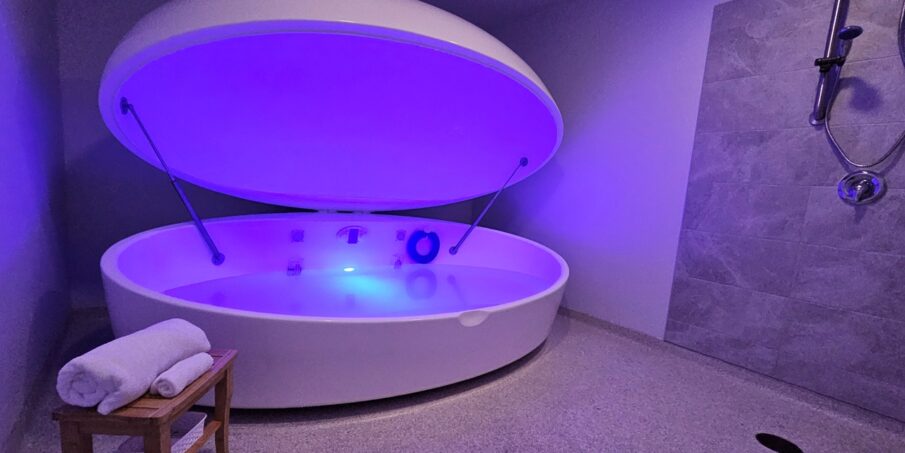
Float therapy has been gaining significant popularity as a holistic approach to wellness, relaxation, and mental health. With the stresses of modern life, more people are seeking methods to rejuvenate both mind and body. Among these methods, float session therapy has emerged as a highly effective solution. But what exactly happens during a complete float session therapy routine, and what makes it so beneficial? This blog will guide you through the experience, its benefits, and why incorporating this therapy into your wellness routine can be life-changing.
What is Float Session Therapy?
At its core, float session therapy involves spending time in a specialized tank filled with warm water and Epsom salts, allowing you to float effortlessly. The water is heated to skin temperature, creating an environment where your body feels weightless. The primary objective is to reduce external stimuli, often referred to as sensory deprivation float therapy, enabling your mind and body to enter a deeply relaxed state.
The experience typically lasts between 60 to 90 minutes, and during this time, you may notice a profound sense of calm and detachment from the everyday stresses of life.
Step-by-Step Experience of a Complete Float Session Therapy Routine
1. Pre-Float Preparation
Before entering the float tank, most facilities provide guidance on showering and preparing for the session. This ensures hygiene and enhances the benefits of float session therapy. Removing all clothing and accessories allows for a more immersive experience, while a brief consultation can help tailor the session to individual needs, whether you are seeking float therapy for relaxation or float therapy for depression.
2. Entering the Float Tank
Once inside the tank, you will notice the buoyant sensation immediately. The high concentration of Epsom salts allows your body to float effortlessly, reducing physical tension. Many people describe this initial moment as freeing, as they feel weightless and disconnected from gravity. This sensation is a hallmark of sensory deprivation float therapy.
3. Achieving Deep Relaxation
As the session progresses, your mind begins to settle, and the body enters a state of deep relaxation. The darkness and silence inside the tank help minimize distractions, which is why float therapy for relaxation is highly recommended for those struggling with stress. During this period, your body releases tension, and you may experience a meditative state similar to advanced mindfulness practices.
4. Mental Clarity and Stress Relief
One of the most celebrated aspects of float session therapy is the mental clarity it can provide. Floating in a stress-free environment allows your mind to reset, helping you gain perspective on challenges and reduce anxiety. Studies suggest that float therapy for depression may help lift mood by encouraging the release of endorphins and reducing cortisol levels.
5. Ending the Session
After your session, taking time to slowly exit the tank and re-acclimate to your surroundings is important. Many facilities recommend a post-float shower to remove excess salt and prolong the sense of rejuvenation. At this stage, you may notice lingering benefits, such as reduced muscle tension, a clearer mind, and a profound sense of calm.
Key Benefits of Float Therapy
Reduces Stress and Anxiety
Among the top benefits of float therapy is its ability to reduce stress. Float session therapy offers a unique environment where sensory input is minimized, allowing the nervous system to relax deeply. Many users report feeling lighter, calmer, and more centered after a session.
Enhances Sleep Quality
Regular sessions of float therapy for relaxation can help regulate sleep patterns. The deep state of rest achieved during floating can reduce insomnia and improve overall sleep quality.
Supports Mental Health
Float therapy for depression has gained recognition as a complementary mental health tool. By reducing cortisol and encouraging endorphin release, floating can contribute to improved mood and mental clarity.
Alleviates Muscle and Joint Pain
The buoyancy provided by sensory deprivation float therapy reduces pressure on joints and muscles. This relief can benefit athletes, people with chronic pain, or anyone seeking physical relaxation.
Boosts Creativity and Focus
Another benefit often overlooked is the cognitive enhancement associated with float session therapy offers. The quiet and undisturbed environment encourages introspection, creative problem-solving, and mental clarity.
Tips for Maximizing Your Float Session Therapy Experience
- Hydrate Properly: Drinking water before and after a session enhances overall well-being.
- Avoid Stimulants: Minimize caffeine or heavy meals prior to floating to achieve deeper relaxation.
- Create a Routine: Regular sessions amplify the benefits of float therapy, from stress reduction to improved focus.
- Use Optional Enhancements: Some facilities offer aromatherapy or soft music, which can complement float therapy for relaxation.
- Be Patient: The first session may feel unusual, but over time, your body and mind will adapt to the full benefits of sensory deprivation float therapy.
Frequently Asked Questions (FAQs)
Q1: How often should I do float session therapy?
A: For optimal results, most experts recommend 1–2 sessions per week. Regular sessions maximize the benefits of float therapy, from stress reduction to enhanced mental clarity.
Q2: Can float session therapy help with depression?
A: Yes. Float therapy for depression encourages endorphin release, reduces cortisol levels, and can help promote mental well-being when combined with other treatments.
Q3: Is sensory deprivation float therapy safe?
A: Absolutely. Sensory deprivation float therapy is non-invasive and suitable for most people. Facilities maintain strict hygiene protocols to ensure safety.
Q4: Will I feel claustrophobic in the float tank?
A: Many people initially worry about this, but tanks are spacious, and you can leave the session at any time. The calming effects of float session therapy usually override any initial anxiety.
Q5: Can float therapy improve sleep?
A: Yes. Float therapy for relaxation can help regulate sleep cycles and reduce insomnia by promoting deep mental and physical relaxation.
Conclusion
A complete float session therapy routine provides a unique opportunity to reset your mind and rejuvenate your body. From the initial buoyancy of sensory deprivation float therapy to the profound mental clarity achieved during the session, the experience is both restorative and transformative. Whether you are seeking float therapy for relaxation, exploring float therapy for depression, or simply want to enjoy the holistic benefits of float therapy, integrating regular sessions into your wellness routine can profoundly impact your overall health.
The science-backed advantages, coupled with the serene experience, make float session therapy offers an appealing choice for anyone looking to reduce stress, improve sleep, enhance creativity, or support mental well-being. With patience, consistency, and an open mind, you can fully enjoy the remarkable benefits that float therapy has to offer.