
In today’s fast-paced world, people are increasingly seeking wellness practices that not only relax the mind but also promote physical health. One such revolutionary method is Float Session Therapy, which has gained significant attention for its unique ability to enhance circulation and improve the body’s natural healing processes. But what exactly is Float Session Therapy, how does it work, and why should you consider incorporating it into your wellness routine?
Understanding Float Session Therapy
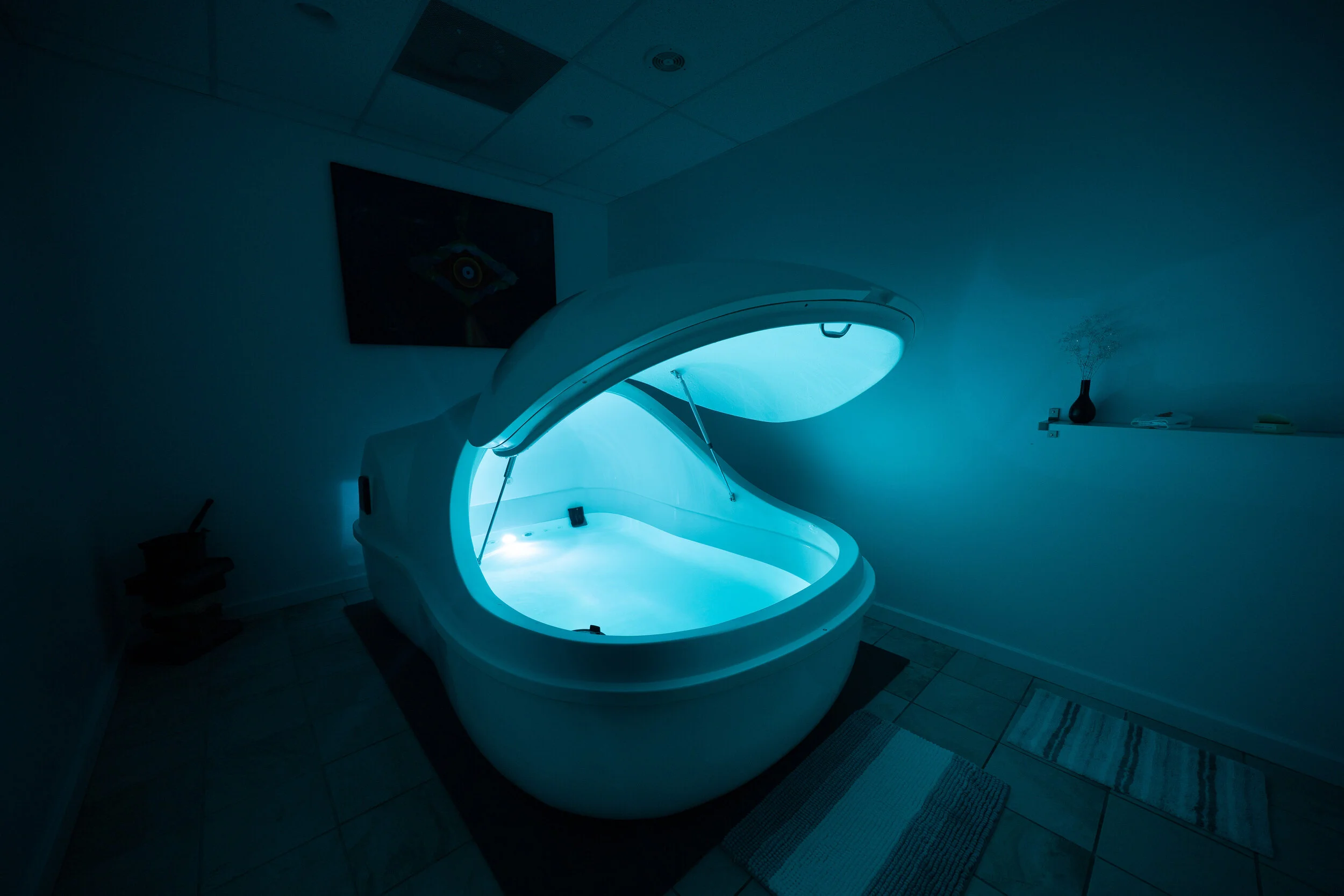
Float Session Therapy Offers a unique approach to health and relaxation. Also known as sensory deprivation float therapy, it involves floating in a specialized tank filled with highly concentrated Epsom salt water, which allows the body to remain buoyant effortlessly. The purpose of sensory deprivation tank is to reduce external stimuli, giving the brain and body a chance to relax completely.
Float Therapy What Is It? It is more than just lying in water; it’s a scientifically-backed method designed to trigger deep relaxation, improve circulation, and support healing at multiple levels. When you engage in a Float Therapy Session, the body experiences weightlessness, which reduces pressure on muscles and joints while promoting enhanced blood flow.
How Float Session Therapy Enhances Circulation
One of the most compelling float session benefits is its positive impact on circulation. Here’s how it works:
- Reduced Stress on the Heart: Floating allows your body to achieve a zero-gravity state, which decreases strain on the cardiovascular system. This makes it easier for blood to circulate throughout the body efficiently.
- Increased Blood Flow: The buoyancy of the water promotes improved circulation, especially to extremities, which may often suffer from restricted blood flow.
- Muscle Relaxation: By relieving tension in muscles, float deprivation tank benefits include improved circulation as blood can flow freely without obstruction.
Multiple studies support the health benefits of float therapy, showing that regular sessions can lead to lower blood pressure, reduced inflammation, and better overall cardiovascular health.
Float Therapy for Healing and Recovery
Enhanced circulation through float session therapy contributes directly to the body’s ability to heal. Increased blood flow ensures that oxygen and nutrients reach tissues efficiently, aiding in recovery from injuries or muscle strain. Athletes and wellness enthusiasts frequently use isolation tank therapy to promote recovery after intense physical activity.
The effects of float therapy are not limited to muscles. Better circulation also accelerates skin repair, reduces swelling, and supports the immune system. For those recovering from chronic pain, float therapy for relaxation and healing can be an essential part of a holistic recovery plan.
Additional Health Benefits of Float Therapy
Float Session Therapy Offers more than just improved circulation and healing. The health benefits of float therapy include:
- Stress Reduction – Floating in a sensory deprivation tank triggers a deep relaxation response that lowers cortisol levels.
- Pain Relief – Regular float therapy sessions can reduce chronic pain, arthritis discomfort, and muscle soreness.
- Mental Wellness – Float therapy for depression and float tank anxiety has shown promising results in reducing symptoms of mood disorders.
- Enhanced Sleep – Users often report improved sleep quality due to the calming effects of sensory deprivation.
- Skin Health – The magnesium-rich water used in floatation tanks can improve skin hydration and elasticity.
The benefits of sensory deprivation float tanks extend across physical, mental, and emotional well-being, making it a holistic wellness tool.
The Science Behind Float Therapy
The science behind float therapy is rooted in the principles of sensory reduction and weightlessness. By eliminating external stimuli, the brain enters a state of deep rest, similar to meditation. Studies show that sensory deprivation float therapy can reduce stress hormones, improve blood flow, and enhance the body’s natural healing processes.
Researchers also emphasize the importance of repeated sessions for optimal results. Regular float therapy sessions can maximize float tank therapy benefits such as pain reduction, improved mood, and accelerated recovery.
Who Can Benefit from Float Session Therapy?
Virtually anyone can benefit from float session therapy, but certain groups may experience more pronounced results:
- Athletes – For float therapy for muscle recovery, the sessions help relieve tension and improve circulation.
- People with Chronic Pain – Those suffering from joint pain or inflammation may find relief through float deprivation tank benefits.
- Individuals with Stress or Anxiety – Float tank anxiety reduction is a commonly reported benefit.
- Wellness Enthusiasts – Anyone seeking holistic health improvements, including better sleep and skin health, can enjoy the benefits of floatation tanks.
How to Get the Most from Your Float Therapy Session
To maximize float session benefits:
- Stay Consistent – Regular sessions enhance the long-term effects of float therapy.
- Hydrate Well – Proper hydration supports circulation and recovery.
- Relax Completely – Let go of distractions to achieve the deepest benefits of float therapy.
- Combine with Other Wellness Practices – Meditation, yoga, or stretching can complement isolation tank therapy.
Float session therapy offers not only physical benefits but also mental clarity, making it a versatile wellness practice.
Float Session Therapy Offers for Healing and Wellness
The primary focus of float session therapy offers is to combine relaxation with tangible health improvements. Enhanced circulation is a critical aspect of this process, supporting:
- Faster muscle recovery
- Reduced swelling and inflammation
- Improved oxygen and nutrient delivery
- Better overall cardiovascular function
When paired with proper nutrition, exercise, and lifestyle adjustments, float session therapy becomes a powerful tool for healing and wellness.
FAQs about Float Session Therapy
Q1: How long is a typical float session therapy?
A: Most sessions last between 60 to 90 minutes, giving the body enough time to fully relax and experience the benefits.
Q2: Can float therapy help with chronic pain?
A: Yes, float therapy for relaxation and muscle recovery can reduce pain by enhancing circulation and relieving muscle tension.
Q3: How soon will I see benefits from float therapy?
A: Some benefits, like relaxation and stress reduction, are immediate. Long-term improvements in circulation and healing may require multiple sessions.
Q4: Is float therapy safe for everyone?
A: Float therapy is generally safe, but those with certain medical conditions should consult a physician first.
Q5: How does sensory deprivation improve circulation?
A: The zero-gravity environment reduces pressure on blood vessels, allowing for smoother and more efficient blood flow throughout the body.
Conclusion
Float Session Therapy Offers a unique combination of relaxation, improved circulation, and accelerated healing. With scientifically-backed benefits for both mind and body, it is a versatile wellness practice suitable for anyone seeking to enhance physical recovery, reduce stress, and promote overall health.
Whether you are an athlete aiming for float therapy for muscle recovery, someone dealing with float tank anxiety, or simply exploring the benefits of floatation tanks, a float therapy session can be a transformative experience. By incorporating regular sessions, you can enjoy the health benefits of float therapy, improve circulation, and support your body’s natural healing processes.