
In today’s world of constant noise, stress, and digital overload, finding true peace of mind can feel impossible. But what if there was a way to experience deep relaxation, mental clarity, and physical healing all at once? Enter float therapy, also known as float tank therapy or sensory deprivation therapy. Many people are turning to float session therapy to enhance mindfulness, reduce anxiety, and reconnect with themselves in a calm, distraction-free environment.
This guide explores what float therapy is, the benefits of float therapy, the science behind float therapy, and how a single float therapy session can help you unlock a new level of mindfulness.
Float Therapy – What Is It?
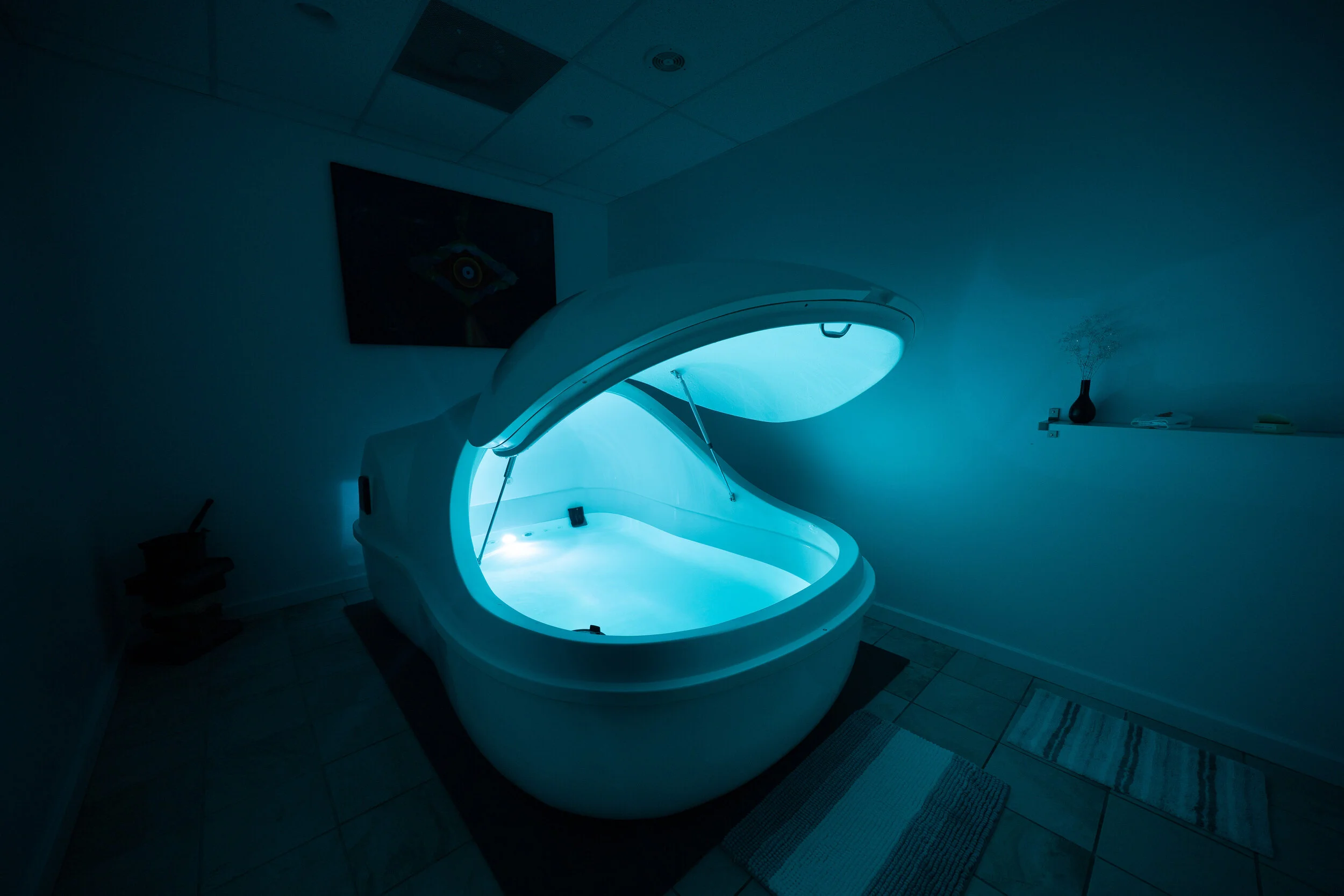
If you’ve ever wondered, “Float therapy, what is it?” The answer is simple yet fascinating. Floatation therapy involves lying effortlessly in a sensory deprivation tank, filled with warm water and Epsom salt (magnesium sulfate) that allows your body to float naturally. The environment is designed to be free from external stimuli, no light, no sound, and no gravity creating the ultimate setting for deep meditation and relaxation.
Inside the float tank, your senses are gently subdued, allowing your brain to slow down and focus inward. This quiet space is ideal for practicing mindfulness, as it encourages awareness of your breath, thoughts, and emotions without distraction.
The purpose of a sensory deprivation tank is to promote mental, emotional, and physical restoration. Whether you’re using float therapy for relaxation, float therapy for depression, or simply to boost your mental focus, the results can be profound.
The Science Behind Float Therapy
The science behind float therapy lies in how the body and brain respond to sensory reduction. When external stimuli are removed, your nervous system transitions from a “fight or flight” mode to a “rest and digest” state. This shift helps lower cortisol levels, reduce anxiety, and improve overall well-being.
Studies show that a float therapy session can enhance creativity, improve sleep quality, and ease chronic pain. The high concentration of magnesium in the water also supports muscle recovery and reduces inflammation. These health benefits of float therapy make it a holistic approach to both mental and physical wellness.
Scientists have also explored the effects of float therapy on brainwave patterns. Inside the isolation tank therapy, the brain produces theta waves similar to the state between wakefulness and sleep known to encourage deep relaxation and self-awareness. This neurological effect supports mindfulness by helping individuals stay present and focused.
The Benefits of Float Therapy for Mindfulness
The benefits of float therapy extend far beyond relaxation. Mindfulness, the practice of being fully present in the moment, is greatly enhanced in a float tank. Here’s how:
- Deep Relaxation:
The zero-gravity sensation in a float session therapy relieves tension in muscles and joints, allowing you to release physical and mental stress. This natural stillness promotes mindful awareness of the body. - Enhanced Self-Awareness:
With external distractions removed, your attention naturally turns inward. Many people experience greater emotional clarity and self-reflection during a float therapy session. - Reduced Anxiety and Stress:
One of the most common reasons people try float therapy for anxiety is its ability to calm the nervous system. Regular float tank therapy benefits include lower heart rate, decreased cortisol, and improved emotional stability. - Improved Focus and Creativity:
The mental stillness achieved through sensory deprivation float therapy helps enhance concentration and problem-solving. Artists, writers, and professionals often use float therapy for relaxation and creativity. - Mind-Body Connection:
Floating promotes mindfulness through awareness of breathing, heartbeat, and bodily sensations, reinforcing the mind-body relationship that’s central to meditation practices. - Better Sleep:
The health benefits of float therapy include improved sleep patterns. After a float session, many users report falling asleep faster and waking more refreshed.
Float Therapy for Depression and Anxiety
Modern studies are increasingly exploring float therapy for depression and float tank anxiety relief. In a calm, weightless state, the brain releases dopamine and endorphins natural mood boosters. These neurotransmitters promote feelings of happiness and tranquility, reducing symptoms of depression and anxiety.
By regularly engaging in isolation tank therapy, individuals struggling with mood disorders can experience long-term emotional balance. The benefits of floatation tanks also include a sense of detachment from negative thoughts, making it easier to practice mindfulness and emotional regulation.
Additionally, float deprivation tank benefits extend to emotional healing. The absence of sensory input provides a safe mental space to process thoughts and feelings without external triggers, making float session therapy an effective complementary treatment for emotional health.
Health Benefits of Float Therapy
The health benefits of float therapy are vast and scientifically supported. Some key physical benefits include:
- Pain Relief: Floating reduces muscle tension, making it ideal for athletes or individuals with chronic pain.
- Improved Circulation: The buoyancy effect helps promote better blood flow and oxygenation throughout the body
- Magnesium Absorption: The Epsom salt solution delivers magnesium through the skin, supporting relaxation and detoxification.
- Lower Blood Pressure: Consistent float therapy sessions can improve cardiovascular health by reducing stress-related pressure on the heart.
The benefits of floatation tanks are not limited to the body; they also strengthen the mind. Whether used for recovery, reflection, or meditation, the benefits of float therapy touch every aspect of human wellness.
Benefits of Sensory Deprivation Float Tanks
The benefits of sensory deprivation float tanks are closely tied to mindfulness. These tanks help users achieve a meditative state more quickly than traditional methods. Floating allows the mind to drift naturally, promoting awareness without effort.
Among the top float tank therapy benefits are emotional resilience, heightened intuition, and deeper meditation experiences. Many mindfulness practitioners find that sensory deprivation float therapy offers faster access to calm states of mind compared to conventional meditation techniques.
Additionally, the benefits of float therapy extend to improving emotional regulation. The quiet, undisturbed environment allows individuals to observe their thoughts without judgment, a core principle of mindfulness.
Effects of Float Therapy on the Brain and Body
The effects of float therapy are both neurological and physiological. Inside a float tank, brain activity slows, promoting rest and regeneration. Muscle tension fades, breathing deepens, and the body enters a state similar to deep sleep.
Neuroscientific research shows that the science behind float therapy supports neuroplasticity the brain’s ability to form new neural connections. This enhances focus, memory, and emotional balance, all key components of mindfulness.
When practiced regularly, float session benefits include improved stress response, reduced inflammation, and a greater sense of inner peace. These outcomes make float tank therapy benefits essential for anyone pursuing mental wellness.
Float Therapy for Relaxation and Mindfulness Training
Using float therapy for relaxation is one of the most popular applications. The weightless environment soothes both mind and body, helping practitioners access a meditative state effortlessly. During a float therapy session, the brain releases alpha and theta waves, fostering a calm awareness ideal for mindfulness practice.
Many people find that combining float session therapy with breathing exercises or guided meditation enhances results. This combination amplifies the benefits of float therapy, making it a powerful addition to any mindfulness routine.
Over time, regular float therapy sessions can train the mind to remain centered even outside the tank. This is one of the most profound float tank therapy benefits bringing mindfulness into everyday life.
FAQs About Float Therapy and Mindfulness
What is float therapy?
It’s a therapeutic practice where you float in warm, salty water inside a soundproof, lightproof tank. This isolation tank therapy promotes deep relaxation and mindfulness.
How long does a float therapy session last?
A typical float therapy session lasts about 60 to 90 minutes, allowing your body and mind to fully unwind and experience the effects of float therapy.
Can float therapy help with anxiety or depression?
Yes. Many people use float therapy for depression and float tank anxiety relief. The experience reduces stress hormones and increases dopamine levels, improving mood naturally.
Are there physical health benefits of float therapy?
Absolutely. The health benefits of float therapy include pain relief, muscle recovery, and improved circulation. The Epsom salt also enhances magnesium absorption, aiding relaxation.
Is sensory deprivation safe?
Yes, sensory deprivation float therapy is completely safe when done in a controlled setting. The purpose of a sensory deprivation tank is relaxation and mindfulness, not stress or fear.
How often should I float?
For optimal float session benefits, most experts recommend floating once a week or at least a few times per month to maintain mindfulness and relaxation effects.
Final Thoughts: Embrace the Benefits of Float Therapy for Mindfulness
Floating is more than a wellness trend; it’s a scientifically supported practice for mind-body balance. The benefits of floatation tanks include mental clarity, emotional stability, and profound relaxation. Whether you’re seeking the health benefits of float therapy, relief from stress, or a new way to meditate, a float session therapy can be a transformative experience.
The science behind float therapy confirms what mindfulness practitioners have long known: silence and stillness heal. The purpose of sensory deprivation tanks is to help you reconnect with yourself, your breath, and your inner peace.
Start your journey today and experience the benefits of float therapy firsthand. Your mind, body, and spirit will thank you.