

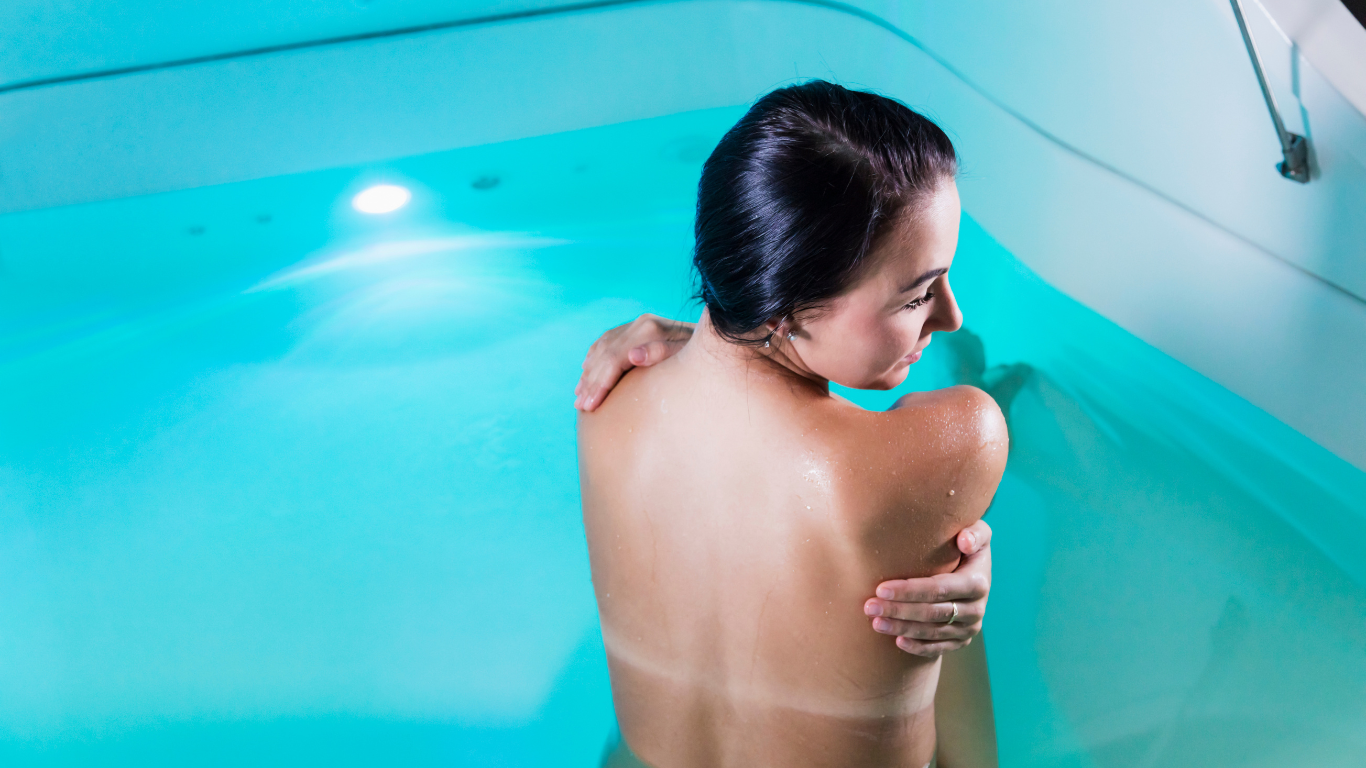
Every day, the body works hard. It carries weight, holds stress, and moves through busy routines. At the same time, the mind keeps thinking, planning, and worrying. Even during rest, true relaxation is rare.
That is why many people are now choosing massage and float therapy. It is not loud. It is not rushed. It is slow, calm, and gentle. This therapy allows the body to feel light and the mind to feel quiet — something many people miss in daily life.
This page explains how massage and float therapy works, how water floating therapy helps deep rest, and why float massage is becoming a trusted wellness choice in Australia.
What Does Massage and Float Really Mean?
Massage and float therapy is a simple wellness experience made of two parts:
- Soft body massage
- Floating in warm salt water
Each part helps in a different way. Massage helps the body let go of tightness. Floating helps the body rest without weight.
When these two are combined, the result is deep relaxation without effort.
The Idea Behind Water Floating Therapy
Water floating therapy is based on a simple idea — remove weight and noise so the body can rest.
During a float:
- The body floats on warm water
- The salt in the water supports the body
- The water feels the same as skin temperature
This makes the body feel safe and calm. The muscles stop working. The joints relax. Breathing becomes slow and easy.
There is no movement needed. The water does the work.
Why Floating Feels So Natural to the Body
The human body is always under pressure from gravity. Even during sleep, the body still feels weight.
Water floating therapy removes this pressure.
This helps:
- The spine relax
- Muscles release tension
- Joints feel free
- The nervous system slow down
Many people feel a deep sense of calm within minutes.
What Is Float Massage and Why Is It Gentle?
Float massage is a light and calming massage focused on comfort, not strength.
It is different from deep tissue massage.
Float massage:
- Uses slow movements
- Avoids strong pressure
- Helps the body feel safe
- Prepares the body for rest
This type of massage works well before or after floating.
Why Massage and Float Work Better Together
Massage and float therapy support each other in a natural way.
Massage helps:
- Warm the muscles
- Release tight areas
- Improve comfort
Floating helps:
- Remove pressure
- Allow full body rest
- Calm the mind
Together, they create a peaceful experience that lasts longer than either one alone.
Who Finds Massage and Float Most Helpful?
Massage and float therapy suits many lifestyles.
People with Busy Jobs
Office work, screens, and long hours create stress. Massage and float offers quiet time away from noise.
Active and Fitness-Focused People
Exercise is good, but recovery matters. Water floating therapy supports muscle rest.
People Feeling Mentally Tired
Floating gives the mind space to slow down naturally.
Wellness-Focused Individuals
Those who enjoy calm activities often enjoy float massage and floating.
How Massage and Float Supports the Mind
The mind is often more tired than the body.
Massage and float therapy helps the mind by:
- Reducing outside noise
- Slowing thoughts
- Creating mental space
Many people say they feel clear and calm after a session.
Physical Comfort Through Water Floating Therapy
Water floating therapy supports the body gently.
Benefits include:
- Reduced muscle tension
- Less joint pressure
- Improved relaxation
- Feeling refreshed
The salt water contains magnesium, which supports muscle calm.
Why Massage and Float Is Growing in Australia
Australian lifestyles are active and fast. With work, fitness, and family, rest is often missing.
Massage and float therapy fits well because:
- It is natural
- It is quiet
- It needs no training
- It supports recovery
More people are choosing calm wellness over busy solutions.
What Happens During a Massage and Float Session
Before
- Shower
- Simple instructions
- Comfortable setting
Massage
- Gentle float massage
- Muscles slowly relax
Floating
- Body floats easily
- Breathing slows
- Thoughts fade
After
- Calm feeling
- Clear head
- Light body
Is Massage and Float Therapy Safe?
Yes. Massage and float therapy is safe for most adults.
It does not use:
- Strong pressure
- Medicines
- Loud machines
Sessions are private and clean. People stay in control at all times.
How Often Can Someone Do Massage and Float?
There is no fixed rule.
Some people prefer:
- Monthly sessions
- Weekly sessions during stress
- Occasional sessions for recovery
The body usually tells what feels right.
Common Myths About Water Floating Therapy
Myth: You must know swimming
Truth: Floating is effortless
Myth: It feels strange
Truth: Most people relax quickly
Myth: It is only for athletes
Truth: Anyone can enjoy massage and float
How Massage and Float Supports Daily Balance
Regular sessions may help:
- Improve sleep
- Reduce stress
- Support calm moods
- Improve focus
The effects grow naturally over time.
Why Quiet Wellness Matters
Loud solutions do not always heal tired bodies. Calm does.
Massage and float therapy allows:
- Stillness
- Silence
- Rest
These simple things help the body and mind return to balance.
Final Thoughts
Massage and float therapy is not about doing more.
It is about letting go.
With water floating therapy, the body feels light.
With float massage, tension softens.
Together, they offer a peaceful way to rest, recover, and reset — naturally and gently.
FAQs
1. Do I need swimming skills?
No. The salt water supports you.
2. Is float massage strong?
No. It is gentle and calming.
3. How long is a session?
Usually 45–60 minutes.
4. Is it good for beginners?
Yes. It is beginner-friendly.
5. When will I feel relaxed?
Many people feel calm after one session.






![[Quasi-drug] Bath Salt, Lemon Scent, 21.3 oz (600](https://m.media-amazon.com/images/I/716ZNtnKM-L._AC_UL320_.jpg)


