

Life today feels busy all the time. People wake up early, rush to work, spend hours on phones and screens, deal with noise, traffic, and pressure, and then sleep feeling tired. Even after rest, the mind keeps thinking and the body feels heavy. Because of this, many people are now looking for calm and natural ways to relax.
One gentle and peaceful method that is becoming popular is the sensory deprivation tank. This experience is simple, quiet, and deeply relaxing. It helps the body rest and gives the mind a break from the outside world. Many wellness lovers now visit a float therapy spa to enjoy this calm experience.
This blog explains what a sensory deprivation tank is, how it works, and why more people are choosing it for stress relief, body recovery, and mental peace.
What Is a Sensory Deprivation Tank?
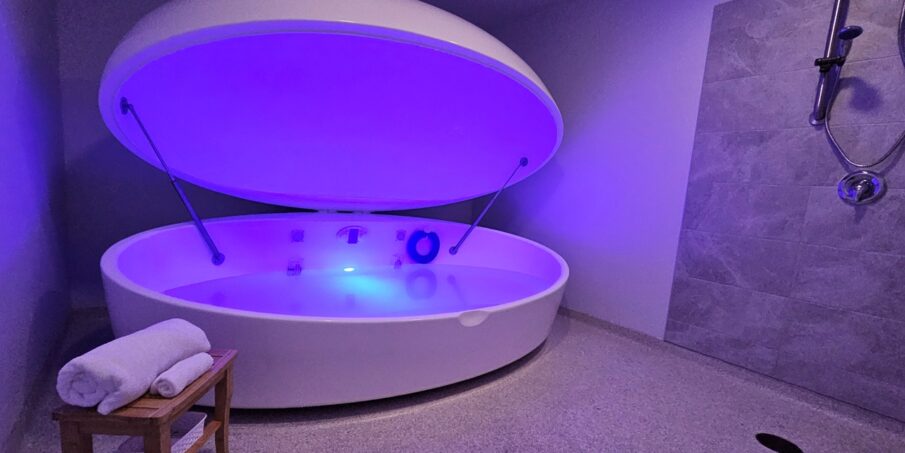
A sensory deprivation tank is a special tank filled with warm water and a large amount of natural Epsom salt. The salt makes the body float easily, without effort. This type of setup is also called a salt water relaxation tank.
The water temperature is close to skin temperature. Because of this, the body slowly stops feeling where it ends and where the water begins. The tank is quiet and private. Light and sound are very low or fully blocked.
Inside the tank, there is nothing to do. No phone. No noise. No talking. Just floating and breathing.
This simple environment allows the mind and body to relax deeply.
How Does a Salt Water Relaxation Tank Work?
The magic of a salt water relaxation tank comes from three main things:
- Floating without effort
The high salt level supports the body fully. Muscles can relax because they do not need to work. - Warm water comfort
The warm water helps calm the nervous system and improves blood flow. - Less outside stimulation
With no bright lights or loud sounds, the brain gets a rare chance to rest.
Because of this, many people feel calm within minutes of entering the tank.
Why People Visit a Float Therapy Spa
A float therapy spa offers a clean, safe, and peaceful space to experience floating. These spas are designed for comfort and privacy. Each session is usually guided with clear instructions, making it easy even for first-time visitors.
People visit a float therapy spa for many reasons, such as:
- To relax after long work hours
- To reduce stress and anxiety
- To improve sleep
- To recover from body pain
- To enjoy quiet time without pressure
Unlike loud gyms or busy wellness centers, float therapy spas focus on calm and silence.
Benefits of Using a Sensory Deprivation Tank
1. Deep Stress Relief
Modern life keeps the brain busy all the time. Inside a sensory deprivation tank, the mind finally slows down. Many people feel lighter and calmer after just one session.
2. Better Sleep
Floating helps relax the nervous system. This makes it easier to fall asleep and stay asleep. Many users say they sleep deeper after visiting a float therapy spa.
3. Muscle Relaxation and Body Recovery
The salt water relaxation tank reduces pressure on joints and muscles. This helps the body recover naturally, especially after physical activity.
4. Mental Clarity
Without noise and screens, the brain feels refreshed. People often feel clear-headed and focused after floating.
5. Emotional Balance
Floating time allows people to slow down emotionally. This gentle calm helps balance mood and feelings.
Who Can Benefit from Float Therapy?
The sensory deprivation tank is helpful for many people, including:
- Busy professionals who feel tired or stressed
- Wellness seekers looking for natural relaxation
- People new to mindfulness who find meditation hard
- Fitness lovers who want muscle recovery
- Creative workers who want mental clarity
The experience is simple and does not require special skills.
What to Expect During Your First Float
For beginners, a float therapy spa usually explains everything clearly. A typical session includes:
- Showering before the float
- Entering the salt water relaxation tank
- Floating for 45 to 60 minutes
- Showering again after the session
During the float, people can keep the light on or off. Some prefer silence, while others start with soft music.
There is no right or wrong way to float. Just relax and let the water support you.
Is a Sensory Deprivation Tank Safe?
Yes, float therapy is safe for most people. The water is cleaned and filtered after every session. The salt used is natural and skin-friendly.
People with specific health concerns should always check with a professional before trying new wellness practices.
Why Float Therapy Is Growing in Popularity
Wellness habits are changing. People now prefer slow, gentle, and natural ways to relax. The sensory deprivation tank fits perfectly into this lifestyle shift.
Unlike fast solutions, float therapy allows real rest. It does not rush the body or mind. It simply gives space to breathe.
This is why float therapy spas are growing in cities around the world.
How Often Should Someone Use a Float Therapy Spa?
There is no fixed rule. Some people float once a month. Others go weekly. Even one session can bring noticeable calm.
Regular floating can help maintain balance in daily life.
Frequently Asked Questions (FAQs)
1. What is a sensory deprivation tank?
A sensory deprivation tank is a quiet tank filled with warm water and Epsom salt. The salt helps the body float easily, allowing deep relaxation for the mind and body.
2. How does a salt water relaxation tank help the body?
The salt water relaxation tank removes pressure from muscles and joints. This helps the body relax, recover, and feel lighter and more comfortable.
3. Is float therapy safe for beginners?
Yes, float therapy is safe for beginners. A float therapy spa provides clear guidance, clean tanks, and a calm environment to ensure a comfortable first experience.
4. What should I wear during float therapy?
Most people float without clothes, but it is optional. Float therapy spas provide full privacy, so guests can choose what feels most comfortable.
5. How long does a float session last?
A typical float session lasts between 45 and 60 minutes. This time is enough for the body to relax and the mind to slow down naturally.
6. Can a sensory deprivation tank help with stress?
Yes, many people use a sensory deprivation tank to reduce stress. The quiet space helps calm the nervous system and clear mental overload.
Final Thoughts
The sensory deprivation tank is a simple yet powerful wellness experience. It uses warm water, natural salt, and silence to help the body relax and the mind reset. Whether someone is new to wellness or already living a mindful life, floating offers gentle support.
A visit to a float therapy spa can feel like pressing a pause button in a busy world. With the comfort of a salt water relaxation tank, people can enjoy deep rest without effort.
As modern life becomes more demanding, peaceful practices like float therapy are becoming more important than ever.




![[Quasi-drug] Bath Salt, Lemon Scent, 21.3 oz (600](https://m.media-amazon.com/images/I/716ZNtnKM-L._AC_UL320_.jpg)


