

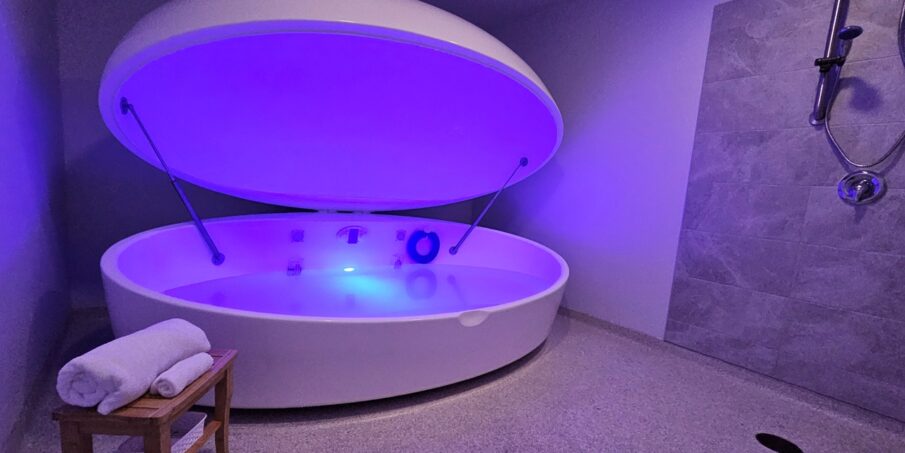
In a world overflowing with noise, pressure, and nonstop digital stimulation, more people are searching for ways to quiet the mind and restore inner balance. Traditional meditation has always been a powerful tool for mental clarity, but many people struggle with it because they can’t focus, their thoughts don’t slow down, or they simply don’t have the patience to sit still long enough to feel the benefits.
This is where Float Session Therapy enters the picture.
Often called the “modern-day meditation shortcut,” Float Session Therapy gives people the ability to reach meditative brainwave states faster, deeper, and with far less effort than traditional mindfulness practices. Whether you’re overwhelmed, stressed, anxious, burnt out, or craving clarity, the controlled sensory environment offers a unique pathway to inner stillness.
But what makes this experience so powerful and effective that it’s replacing meditation for many people?
Let’s go deeper into why Float Session Therapy, sensory deprivation environments, and saltwater float tanks are becoming one of today’s most transformative wellness tools.
What Exactly Is Float Session Therapy?
Float Session Therapy is a deeply relaxing experience where you float effortlessly in a magnesium-rich, zero-gravity float tank. The environment is warm, silent, and light-free, allowing your senses to rest and your brain to slow down.
When your brain no longer needs to process external noise, gravity, temperature changes, or visual input, it shifts into a calmer, meditative state almost automatically.
This sensory-free environment also supports the Benefits of Sensory Deprivation Float Tanks, giving your mind the ability to quiet itself without effort. This unique form of isolation promotes faster nervous system relaxation and encourages mental clarity that can take years to develop through traditional meditation.
Many wellness experts now consider Float Session Therapy a science-backed shortcut to the deep stillness meditation practices aim to achieve.
How Float Session Therapy Offers a Shortcut to Meditation
Meditation requires your mind to relax on its own.
Float tanks make your mind relax.
Here’s how Float Session Therapy Offers a pathway to effortless meditation-like states:
1. Zero-Gravity Equals Instant Physical Relaxation
The saltwater allows your muscles and joints to completely let go.
This deep physical release helps the mind relax effortlessly, enhancing typical Float Tank Therapy Benefits like mental clarity, balanced mood, and stress relief.
2. Reduced Sensory Input = Faster Brainwave Shift
In meditation, reaching a calm brainwave state (theta) takes practice.
Inside a float tank, the Benefits of Sensory Deprivation Float Tanks allow the brain to drop into theta waves naturally even for beginners.
3. Decluttered Mind in Minutes
With no sensory noise, the default mode network, the area responsible for overthinking, slows down.
This makes Float Session Therapy especially useful for people dealing with mental clutter or emotional heaviness.
4. Deep Nervous System Stabilization
Many people turn to Float Therapy for Depression and general mental fatigue because the nervous system calms down rapidly during a float session. Many report feeling mentally clear and emotionally lighter afterward.
5. Perfect for People Who “Can’t Meditate”
If meditation feels difficult, you’re not alone.
Float tanks offer similar benefits without requiring concentration, making the practice accessible for everyone.
The Science Behind Float Session Therapy’s Meditation-Like Effects
Studies show that Float Session Therapy Offers significant improvements in:
- Stress reduction
- Sleep quality
- Anxiety regulation
- Neuroplasticity
- Pain relief
- Cognitive clarity
Much of this comes from the unique effect of sensory disconnection.
Brainwave Shifts
The quiet, still environment creates the same brainwave patterns seen in trained meditators without needing years of practice.
Magnesium Absorption
Magnesium supports muscle relaxation, nerve function, and mental clarity.
Its natural absorption adds to the Float Tank Therapy Benefits, enhancing emotional stability and stress regulation.
Cortisol Reduction
Within minutes, the body enters a deep-rest state, allowing the stress hormone cortisol to drop rapidly.
This is one reason Float Tank Anxiety reduction is a major highlight of floating.
Nervous System Rebalancing
The float environment signals your body to enter a parasympathetic state (rest, repair, restore).
This internal shift mirrors the physiological outcome of advanced meditation practices.
Why More People Are Replacing Meditation With Float Session Therapy
1. It Works Even for Overthinkers
Traditional meditation often fails because the mind refuses to settle.
The absence of sensory input makes it impossible for the subconscious to stay overstimulated.
This is where the true Benefits of Sensory Deprivation Float Tanks shine—your brain learns how to relax without force.
2. Faster Results Than Sitting Meditation
Many report feeling “lighter,” “clearer,” and “emotionally renewed” after just one session of Float Session Therapy.
3. Physical and Mental Benefits Combined
Meditation focuses primarily on the mind.
Float Tank Therapy Benefits include:
- Pain relief
- Muscle release
- Magnesium absorption
- Spinal decompression
- Deep nervous system reset
You get both mind and body healing at once.
4. Dramatic Relief for Anxiety & Depression
Many people seeking Float Therapy for Depression and Float Tank Anxiety relief experience noticeable improvements after their first few sessions.
The float environment helps quiet anxious thought loops and reduces emotional tension, giving the mental health system a much-needed reset.
5. Deep Thought-Free Stillness
With no sensory input and no physical effort, the mind sinks effortlessly into a meditative state making it a true shortcut to mental clarity.
What Float Session Therapy Feels Like
Clients often describe Float Session Therapy as:
- “Weightless peace”
- “A reset button for my mind”
- “The deepest relaxation I’ve ever felt”
- “Like meditation but 10x easier”
- “A quiet I didn’t know I needed”
As the body floats effortlessly, tension melts away.
Breathing slows.
Thoughts soften.
And the brain floats between wakefulness and a dream-like calm.
These sensations create the powerful Float Tank Therapy Benefits that rejuvenate both mind and body.
Who Benefits the Most From Float Session Therapy?
Float therapy supports nearly everyone, but especially:
1. People with Anxiety
The sensory-free environment is highly effective for Float Tank Anxiety relief, helping calm the mind in ways traditional meditation often cannot.
2. People with Depression
The deep relaxation and magnesium absorption can support the brain’s emotional balance, making Float Therapy for Depression a popular, science-supported wellness practice.
3. High-Performers
Leaders, creatives, entrepreneurs, and athletes rely on float tanks to maximize clarity, productivity, and recovery.
4. People Who Overthink
The float tank environment weakens thought loops and strengthens focus and emotional clarity.
5. Anyone Wanting Deep Relaxation
The combined Benefits of Sensory Deprivation Float Tanks make float sessions one of the deepest rest experiences available without medication.
How Often Should You Book Float Session Therapy?
For the best results:
- First-timers: 2–3 sessions within the first month
- Ongoing wellness: 1 float per week or biweekly
- Mental health support: weekly sessions
- Pain or anxiety: 1–2 sessions weekly
The more frequently you float, the deeper the benefits become.
Conclusion: The Modern Meditation Shortcut Your Mind Has Been Waiting For
Float Session Therapy isn’t just a wellness trend it’s a powerful mental and emotional reset tool backed by science.
For those who struggle with traditional meditation, the Float Session Therapy Offers a direct route to deep calm, emotional balance, mental clarity, and body relaxation.
From the profound Benefits of Sensory Deprivation Float Tanks to the emotional healing associated with Float Therapy for Depression and Float Tank Anxiety relief, this therapy is transforming lives by offering a peaceful escape from the chaos of daily life.
If meditation feels difficult, overwhelming, or inconsistent, Float Session Therapy may be the shortcut your mind has been searching for.
FAQs About Float Session Therapy
1. Is Float Session Therapy safe for beginners?
Yes. The environment is designed to be relaxing, supportive, and safe. Many beginners find their first float life-changing.
2. Can Float Session Therapy help with anxiety?
Yes. Many people experience significant Float Tank Anxiety relief because the sensory-free environment calms the nervous system quickly.
3. How long does a float session last?
Most sessions last 60 to 90 minutes, giving your mind plenty of time to unwind.
4. Can floating improve depression?
Float Therapy for Depression has shown positive outcomes for many people, especially those dealing with mental fatigue and emotional imbalance.
5. What should I avoid before floating?
Avoid caffeine, heavy meals, and shaving the same day for the best experience.







![[Quasi-drug] Bath Salt, Lemon Scent, 21.3 oz (600](https://m.media-amazon.com/images/I/716ZNtnKM-L._AC_UL320_.jpg)


