

Living with PTSD, trauma, or deep emotional exhaustion is not just mentally draining; it affects the nervous system, hormones, sleep, identity, and your ability to feel present in everyday life. For many people, traditional therapy alone does not provide enough relief. That is why a growing number of therapists, wellness practitioners, and trauma specialists recommend Float Session Therapy as an evidence-backed, gentle, and deeply restorative method for emotional healing.
As more research explores the Benefits of Float Therapy, wellness experts have discovered how powerful sensory reduction and zero-gravity floating can be for calming the mind, relaxing the body, and rewiring the nervous system after trauma. Many float centers worldwide highlight how Float Session Therapy Offers emotional reset, stress detox, and a psychological safe space for people who feel mentally overwhelmed.
In this detailed guide, you’ll explore Float Session Benefits for PTSD, trauma recovery, and emotional depletion and understand why the Benefits of Floatation Tanks are becoming a breakthrough for mental and emotional health.
Understanding How Trauma Affects the Mind and Body
Trauma, whether from a single event or long-term emotional strain, can rewire the brain’s stress circuits. Research shows that people with PTSD or emotional exhaustion often experience:
- Overactive amygdala (fear center)
- Poor sleep quality
- High cortisol levels
- Anxiety and overthinking
- Emotional numbness or shutdown
- Difficulty relaxing or feeling safe
- Chronic fatigue and body tension
Traditional therapy helps, but the nervous system also needs a way to reset, slow down, and process emotions safely. This is where Float Session Therapy becomes truly transformative.
Why Float Session Therapy Is a Game-Changer for PTSD, Trauma & Emotional Exhaustion
1. Deep Nervous System Reset Through Sensory Reduction
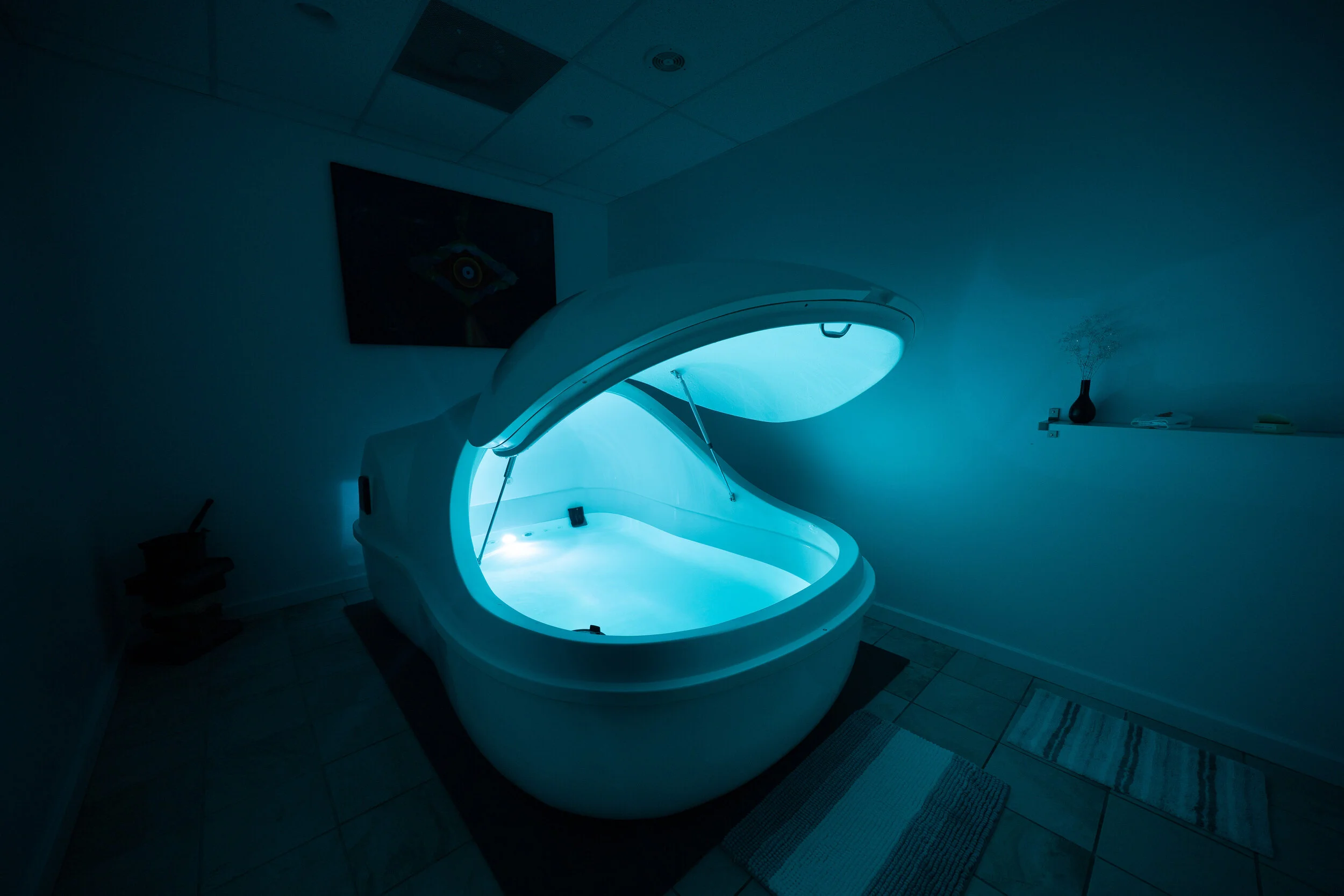
When someone enters a flotation tank, they experience a unique sensory environment a silent, dark, weightless space. This sensory reduction is the foundation of Float Session Benefits for trauma survivors.
Inside the tank:
- The mind is free from external triggers
- The brain shifts into deep relaxation
- Cortisol reduces naturally
- The fight-or-flight system slows down
- Emotional processing becomes easier
Because Float Session Therapy Offers the absence of sound, light, pressure, and gravity, the nervous system finally gets a chance to recalibrate. This is why the Benefits of Floatation Tanks are often compared to meditation, but much more powerful.
2. Weightlessness Helps Release Stored Body Tension
Trauma is not just psychological, it lives in the body. Muscle stiffness, jaw clenching, back pain, gut tension, and fatigue are common among people with PTSD and emotional burnout.
The anti-gravity effect of floating enhances the Benefits of Float Therapy by giving the body total relief from physical tension.
Inside the tank:
- Muscles relax
- Blood circulation improves
- Magnesium absorption reduces stiffness
- Chronic pain decreases
- The body shifts from survival mode to healing mode
This powerful body mind connection is one reason therapists recommend Float Therapy for Depression, trauma, and stress disorders.
3. Float Session Therapy Helps Quiet Overthinking
Many trauma survivors struggle with hypervigilance and constant thoughts. Floating eliminates external distractions, allowing the brain to settle into calm, slower-wave states.
This quiet mental space:
- Encourages clarity
- Reduces intrusive thoughts
- Supports emotional processing
- Improves problem-solving
- Enhances inner awareness
Because Float Session Therapy Offers deep relaxation, the mind naturally moves toward stability and emotional balance. This makes floating an effective complement to therapy or EMDR.
4. Emotional Release Becomes Easier in a Safe, Private Environment
Many people with PTSD or emotional exhaustion feel unsafe when facing their thoughts or feelings. However, the calm, soothing environment of a flotation tank creates emotional safety.
As the Benefits of Floatation Tanks take effect, individuals often feel:
- Safe
- Supported
- Calm
- Open to emotional release
- More connected to their inner world
Trauma healing does not happen under pressure, it happens when the body feels safe. This is where the Float Session Benefits truly shine.
5. Helps With Depression Linked to Trauma
Depression is a common outcome of prolonged trauma, chronic stress, or unresolved emotional wounds. Because Float Therapy for Depression reduces physical stress and quiets mental overwhelm, floating becomes a supportive tool for emotional upliftment.
Benefits often include:
- Improved mood
- Better emotional regulation
- Relief from feelings of helplessness
- Resetting stress chemicals
- Increased mental clarity
Repeated sessions amplify the Benefits of Float Therapy, making floating a long-term supportive tool for trauma-related depression.
6. Promotes Better Sleep and Reduces Nightmares
PTSD often disrupts sleep cycles and increases the frequency of nightmares. The calming effect of floating significantly improves sleep quality.
Because Float Session Therapy Offers deep relaxation, the body naturally prepares for healthier sleep cycles:
- Cortisol levels drop
- Melatonin increases
- Muscles are fully relaxed
- Mind becomes quiet before bedtime
Improving sleep strengthens emotional stability, amplifying the Float Session Benefits over time.
7. Enhances the Effects of Talk Therapy and Healing Practices
Many psychologists encourage combining floating with traditional therapies like CBT, EMDR, and meditation. The Benefits of Floatation Tanks create the ideal mental environment for emotional processing.
Floating enhances:
- Self-awareness
- Emotional insight
- Memory recall for therapeutic work
- Openness to healing
- Ability to integrate therapeutic breakthroughs
This is why Float Session Therapy is increasingly used as part of holistic trauma recovery programs.
How Many Sessions Are Needed for Trauma or PTSD?
Most people begin experiencing significant Float Session Benefits after 3–5 sessions. However, trauma survivors often notice deeper improvements with repeated floating.
As Float Session Therapy Offers cumulative effects, regular sessions help maintain emotional stability and prevent burnout.
Step-by-Step: What to Expect During Your First Float Session
Many people with PTSD feel nervous before trying float therapy. Understanding the process helps reduce anxiety.
During your first float:
- You enter a quiet room
- You shower and enter the tank
- Water is skin temperature
- You float effortlessly
- Lights and sound turn off (optional)
- Your mind gradually slows down
- You emerge deeply relaxed
The immersive environment enhances the Benefits of Float Therapy, making each session more effective.
Why Float Therapy Is a Lifeline for People With Emotional Exhaustion
Emotional exhaustion can leave you feeling:
- Drained
- Disconnected
- Mentally foggy
- Unmotivated
- Overwhelmed
For people in this state, Float Session Therapy Offers a powerful reset. When your mind and body feel weightless, quiet, and supported, healing becomes easier.
This is why float centers often highlight the Benefits of Floatation Tanks for anyone suffering from burnout, compassion fatigue, or long-term emotional strain.
Final Thoughts
PTSD, trauma, and emotional exhaustion require gentle, consistent, and supportive healing. Float Session Therapy provides a unique environment that calms the nervous system, restores emotional balance, and helps people reconnect with their inner strength.
With proven Float Session Benefits, strong scientific backing, and real-world success stories, floating is becoming one of the most powerful holistic tools for trauma recovery. Whether combined with therapy or used as a standalone practice, the Benefits of Float Therapy grow stronger with each session.
FAQs
1. Is Float Session Therapy safe for people with PTSD?
Yes. Float Session Therapy Offers a safe and calming environment ideal for trauma survivors because it reduces sensory input and supports emotional regulation.
2. Can floating reduce anxiety and overthinking?
Absolutely. One of the major Float Session Benefits is calming the mind and reducing intrusive thoughts.
3. How often should trauma survivors float?
Most experts recommend weekly sessions to maximize the Benefits of Floatation Tanks for trauma recovery.
4. Can Float Therapy help with depression?
Yes. Many people experience relief with Float Therapy for Depression, as floating balances stress chemicals and enhances mood.
5. Will I feel claustrophobic in the float tank?
Most people actually feel more spacious and relaxed. You can keep the lid open if needed while still enjoying the Benefits of Float Therapy.
6. Is float therapy a replacement for counseling?
No, but Float Session Therapy works beautifully alongside traditional therapy for deeper healing.







![[Quasi-drug] Bath Salt, Lemon Scent, 21.3 oz (600](https://m.media-amazon.com/images/I/716ZNtnKM-L._AC_UL320_.jpg)


