

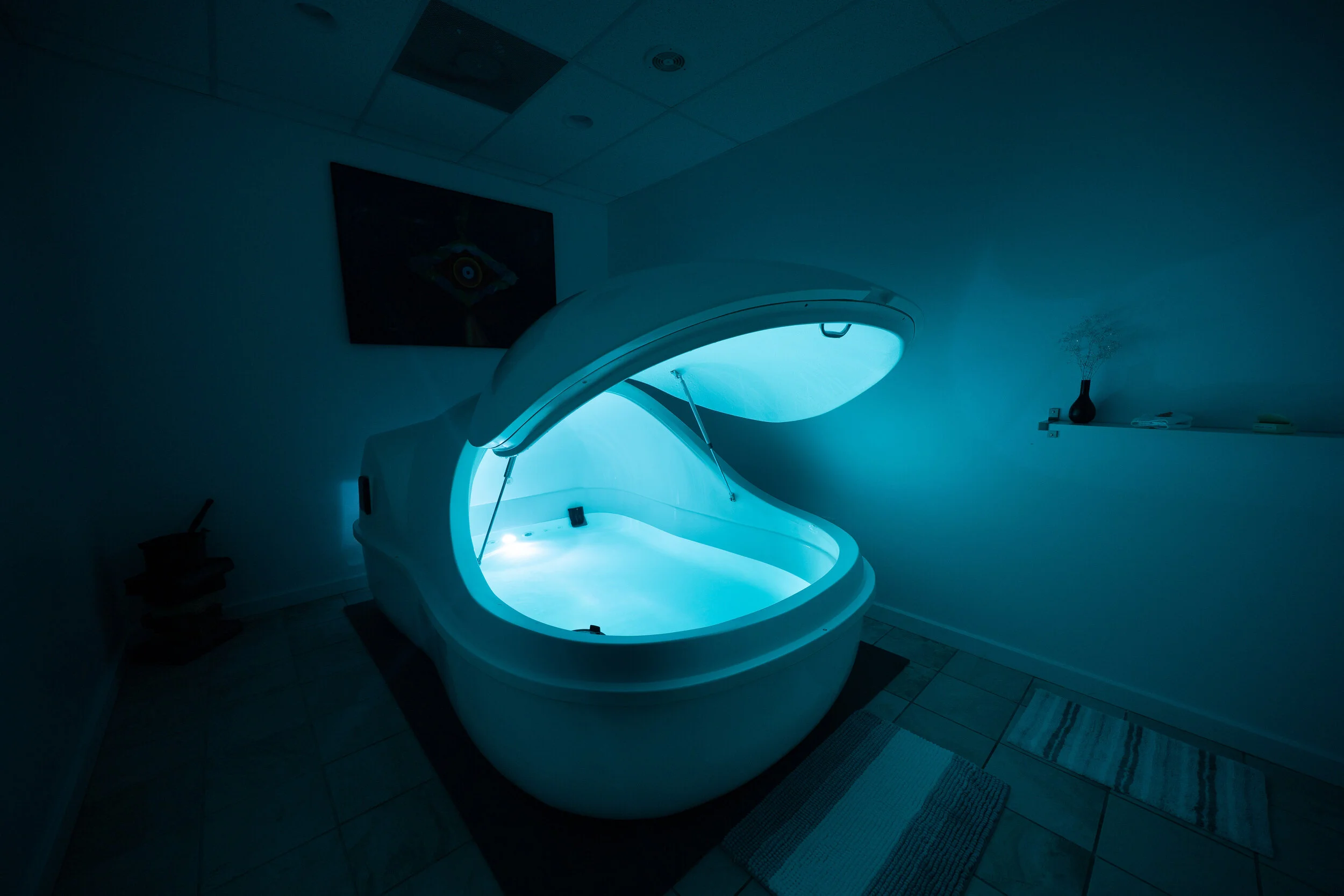
In today’s fast-paced world, maintaining emotional balance can feel like an uphill battle. Stress, anxiety, depression, and overstimulation from daily life can leave us feeling drained and out of sync with ourselves. While traditional therapies and mindfulness techniques help, an innovative wellness approach called Float Session Therapy is gaining recognition for its profound emotional benefits.
In this article, we’ll explore Float Session Therapy Offers, why it’s effective for emotional well-being, the science behind it, and how it helps people feel more balanced and centered.
What Is Float Session Therapy?
Float Therapy What Is It? At its core, Float Session Therapy involves lying in a specialized float tank or isolation pod filled with water and Epsom salts, which allow the body to float effortlessly. This environment reduces sensory input, including sight, sound, and touch, creating a state known as Sensory Deprivation Float Therapy.
Key Features of a Float Therapy Session:
- Purpose of Sensory Deprivation Tank: By minimizing external stimuli, your brain and body can enter deep relaxation.
- Float Therapy Session: Typically lasts 60–90 minutes in water that is skin temperature, creating a near-weightless experience
- Isolation Tank Therapy: Helps users focus inward, promoting mindfulness, meditation, and emotional introspection.
A single session can be transformative, but consistent use amplifies both physical and emotional benefits.
How Float Session Therapy Supports Emotional Health
The Effects of Float Therapy extend far beyond physical relaxation. Many people report feeling calmer, more centered, and emotionally balanced after just a few sessions. Here’s why:
1. Reduces Stress and Anxiety
Stress and anxiety can disrupt emotional balance and cloud judgment. Float Session Therapy Offers a unique environment to combat these effects:
- Float Tank Anxiety studies show significant reductions in cortisol levels.
- The calming environment activates the parasympathetic nervous system, triggering the body’s natural “rest and digest” mode.
- Float Therapy for Relaxation helps quiet the mind, reducing racing thoughts and emotional overwhelm.
2. Enhances Mindfulness and Emotional Awareness
When sensory distractions are removed, users often experience heightened introspection. This is why Benefits of Sensory Deprivation Float Tanks include:
- Improved self-awareness and emotional clarity.
- A natural pathway to mindfulness and meditation.
- Opportunities to reflect on emotions and thought patterns without external interference.
3. Elevates Mood and Supports Mental Health
The Science Behind Float Therapy indicates that floating may positively impact mood-regulating neurotransmitters:
- Increases endorphins and dopamine, which enhance feelings of well-being.
- Reduces symptoms of mild to moderate depression (Float Therapy for Depression).
- Encourages emotional resilience, helping users cope better with life’s challenges.
Float Session Therapy Offers a drug-free, natural way to stabilize mood and support mental wellness.
4. Supports Emotional Release
Many users report profound emotional releases during float sessions. These emotional releases can help:
- Reduce pent-up stress and tension.
- Process unresolved emotions safely.
- Foster a sense of renewal and balance after the session.
Float Session Benefits are not limited to relaxation they can transform emotional health at a deeper level.
Long-Term Emotional Benefits of Float Therapy
Consistent practice amplifies the positive effects. Float Session Therapy Offers long-term emotional benefits, including:
1. Emotional Resilience
Regular floating strengthens the ability to manage stress and regulate emotions. Users often report feeling less reactive to challenges and better equipped to handle emotional strain.
2. Improved Sleep and Mood
Better sleep directly impacts emotional health. Float Therapy Session studies suggest that sensory deprivation can improve sleep quality, reducing irritability and emotional fatigue.
3. Heightened Mind-Body Connection
Floating enhances the connection between the mind and body. People become more attuned to their emotional needs and physical sensations, fostering a holistic sense of well-being.
4. Reduced Anxiety and Depression Symptoms
Float Tank Therapy Benefits include reductions in generalized anxiety and depressive symptoms over time. The meditative, weightless environment allows users to focus on emotional processing without distraction.
5. Enhanced Mental Clarity
Benefits of Float Therapy extend to cognitive function. Many users report improved focus, decision-making, and emotional regulation, leading to a more balanced and centered life.
Additional Health and Wellness Benefits
While the focus here is emotional health, Health Benefits of Float Therapy are also impressive:
- Float Deprivation Tank Benefits: Relief from chronic pain and muscle tension.
- Benefits of Floatation Tanks: Reduces inflammation and supports physical recovery.
- Float Therapy for Relaxation: Improves overall wellness by decreasing stress hormones and promoting relaxation.
The holistic benefits make floating a unique wellness practice that integrates physical, mental, and emotional health.
How to Maximize the Emotional Benefits of Floating
To fully experience Float Session Therapy Offers, follow these guidelines:
- Frequency: Start with 1–2 sessions per week, gradually increasing to 2–3 sessions for optimal results.
- Environment: Use a quiet, comfortable location to enhance the meditative experience.
- Mindset: Focus on deep breathing and mindfulness during the session.
- Consistency: Emotional benefits built over time regular sessions are key.
By committing to a routine, you can unlock the full spectrum of Float Session Benefits, from emotional balance to mental clarity.
Frequently Asked Questions (FAQ)
Is Float Session Therapy safe for everyone?
Yes. Float Session Therapy Offers a non-invasive, drug-free approach suitable for most adults. People with certain medical conditions should consult a healthcare provider before floating.
How soon will I feel emotional benefits?
Many users notice improvements after 1–3 sessions. Long-term emotional resilience develops with consistent weekly sessions.
Can float therapy help with anxiety and depression?
Yes. Float Therapy for Depression and Float Tank Anxiety benefits include stress reduction, mood stabilization, and emotional clarity.
How does floating compare to meditation?
Floating often produces a deeper state of relaxation than traditional meditation, making it easier to achieve emotional balance.
Do I need special preparation for a float session?
Minimal preparation is needed. Showering beforehand and removing jewelry are recommended to enhance comfort and relaxation.
Conclusion
Float Session Therapy Offers a natural, effective way to enhance emotional health, reduce stress, and promote a balanced, centered mindset. By minimizing sensory input, floating allows your mind and body to focus on restoration and emotional processing.
Whether your goal is to reduce anxiety, improve sleep, enhance mindfulness, or simply find a space to reset emotionally, Float Session Therapy provides a holistic approach that integrates mental, emotional, and physical wellness.
With consistent use, the Benefits of Float Therapy extend far beyond temporary relaxation, fostering long-term emotional resilience, mental clarity, and a deep sense of inner balance.
If you’re looking for a drug-free, scientifically supported, and deeply relaxing way to enhance your emotional health, Float Session Therapy Offers may be the perfect addition to your wellness routine.






![[Quasi-drug] Bath Salt, Lemon Scent, 21.3 oz (600](https://m.media-amazon.com/images/I/716ZNtnKM-L._AC_UL320_.jpg)


