

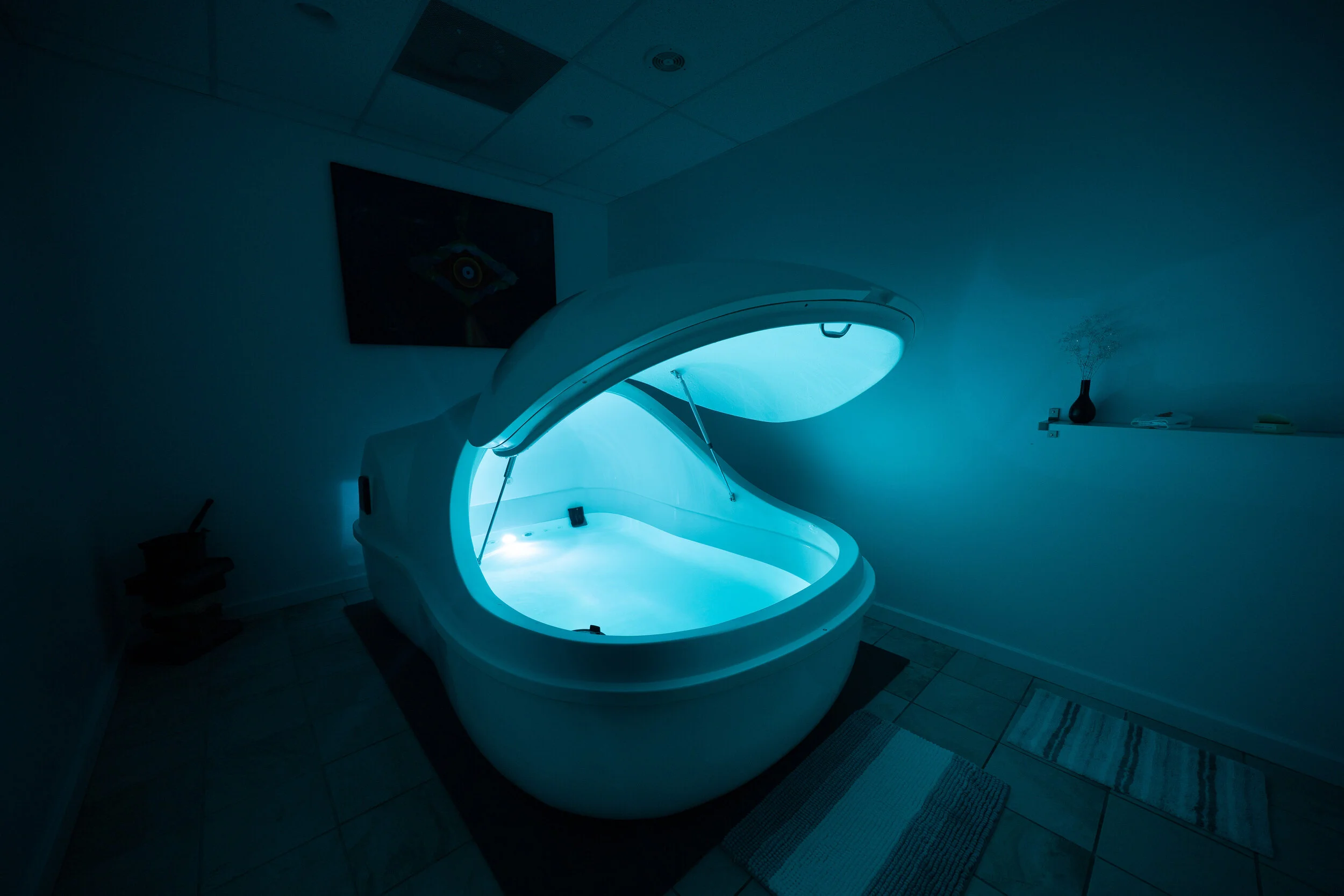
In today’s constantly connected world, mental fatigue has become one of the most common challenges people face. Endless multitasking, digital distractions, and emotional stress take a toll on the brain’s energy levels. Many people are now seeking natural ways to relax, restore focus, and recover from burnout. One increasingly popular method is float therapy.
But what exactly is float therapy, and how can it help relieve mental fatigue? This article explains Float Therapy What Is It, explores the Science Behind Float Therapy, and highlights the Benefits of Floatation Tanks for relaxation, mental clarity, and emotional balance.
Float Therapy What Is It?
Float therapy, also known as sensory deprivation float therapy or isolation tank therapy, involves floating in a specially designed tank filled with warm water and Epsom salts. The salt makes the water dense enough for you to float effortlessly. The tank is quiet and dark, minimizing external sensory input.
The purpose of a sensory deprivation tank is to create an environment where your mind and body can deeply relax, free from light, sound, gravity, and stress. During a float therapy session, your brain slows down, muscles relax, and mental chatter fades.
Essentially, float therapy gives your mind permission to rest. This is one of the major health benefits of float therapy it provides the kind of deep relaxation most people struggle to achieve in daily life.
The Science Behind Float Therapy
Understanding the Science Behind Float Therapy helps explain why it’s so effective for mental fatigue. When you enter the tank, the absence of stimulation allows your brain to shift from active beta waves to slower alpha and theta brain waves. These are the same patterns seen during deep meditation or light sleep.
This shift reduces stress hormones like cortisol, lowers blood pressure, and promotes the body’s natural healing processes. The effects of float therapy are both mental and physical: improved focus, reduced anxiety, and enhanced creativity are commonly reported after a single session.
The benefits of float therapy go beyond simple relaxation. Floating reduces sensory overload, which gives your brain a chance to recharge. This makes it especially useful for people experiencing burnout, stress, or fatigue.
The Benefits of Float Therapy for Mental Fatigue
There are many float session benefits that directly target the symptoms of mental fatigue. Here are the key float tank therapy benefits:
1. Deep Relaxation and Stress Relief
A float session therapy session allows your body and mind to enter a deeply relaxed state. The nervous system moves from “fight or flight” to “rest and digest,” helping reduce anxiety and tension. This is one of the core benefits of sensory deprivation. Float tanks a complete mental reset.
2. Improved Focus and Clarity
Mental fatigue often leads to brain fog and poor concentration. After a float therapy session, most people report improved focus and mental clarity. The effects of float therapy often last long after the session ends, making it easier to stay productive and alert.
3. Better Sleep Quality
One of the most common health benefits of float therapy is improved sleep. Deep relaxation and lowered stress hormones make it easier to fall asleep and stay asleep. Good sleep, in turn, enhances mental energy and emotional balance.
4. Emotional Balance and Calmness
Another key aspect of the benefits of float therapy is emotional regulation. By giving the mind a break from constant stimulation, floating helps reduce irritability and emotional exhaustion.
5. Pain Relief and Muscle Relaxation
Physical tension often contributes to mental fatigue. The zero-gravity effect of the tank supports the body, releasing muscle tightness and joint strain. These float deprivation tank benefits support both physical and mental recovery.
6. Enhanced Creativity and Intuition
The meditative state achieved during isolation tank therapy can spark creativity and insight. Many artists, writers, and entrepreneurs use float therapy for relaxation and creative breakthroughs.
Float Therapy for Depression and Anxiety
While float therapy is often used for stress relief, it also shows promise in supporting people with depression and anxiety. Float therapy for depression helps by calming the nervous system and promoting serotonin balance. People often describe feeling lighter, more optimistic, and more centered after multiple sessions.
Similarly, float tank anxiety relief is one of the most talked-about float therapy session outcomes. Floating helps quiet racing thoughts, reduces tension, and allows the mind to focus on calmness instead of worry. Although float therapy for depression and anxiety is not a replacement for medical treatment, it can be a valuable complementary practice.
Float Session Therapy: What to Expect
If you’re new to floating, your first float therapy session can be an amazing experience. Here’s what typically happens:
- Preparation: You’ll shower before entering the tank.
- Floating: You lie back in the warm, salt-rich water. The environment is silent and dark.
- Relaxation: As your body becomes weightless, your breathing slows and your muscles release tension.
- After the Session: You may feel calm, light, and mentally refreshed.
A float session therapy typically lasts about 60 minutes, though some centers offer 90-minute sessions. The float session benefits often include reduced fatigue, sharper focus, and deep relaxation.
Float Therapy for Relaxation and Rejuvenation
When mental fatigue builds up, your body needs rest, and your brain needs stillness. Float therapy for relaxation offers both. By cutting off external stimuli, it provides the rare opportunity to experience silence and stillness.
The benefits of float therapy in this context are profound. It gives your nervous system time to repair itself. You emerge calmer, more grounded, and more centered. Over time, repeated float therapy sessions enhance resilience to stress and improve your baseline mood.
Purpose of Sensory Deprivation Tank
The purpose of a sensory deprivation tank is to provide an environment of deep rest and mental clarity. In the tank, your senses are freed from constant input. You no longer need to process sound, light, temperature, or touch.
This isolation allows the mind to wander freely, often resulting in creative insights or emotional release. Many of the benefits of floatation tanks come from this deep introspective state. When external distractions disappear, you reconnect with your thoughts and emotions in a healthier way.
Float Deprivation Tank Benefits
Regular floating enhances mental health and resilience. Over multiple sessions, the float deprivation tank benefits accumulate. People often notice:
- Reduced baseline stress
- Improved sleep cycles
- More balanced mood
- Greater focus and productivity
The effects of float therapy build up over time, just like meditation or yoga. Floating regularly can be a powerful routine for those seeking long-term stress management and cognitive recovery.
Health Benefits of Float Therapy
While many people try floating for mental relaxation, the health benefits of float therapy also extend to physical wellness. The magnesium in Epsom salts helps reduce inflammation and muscle pain, while the weightlessness relieves pressure on the spine and joints.
For those who suffer from migraines, chronic fatigue, or insomnia, the float tank therapy benefits can be significant. By lowering stress hormones and improving sleep, floating indirectly boosts immune health and overall energy.
Isolation Tank Therapy for Mental Clarity
Isolation tank therapy creates a unique opportunity to disconnect from daily stressors. Without the constant input of noise, light, and pressure, your mind becomes clear and focused.
This is one of the most valued benefits of sensory deprivation. Float tanks give you uninterrupted time with your thoughts. Many users describe this as a “mental reset button” that helps them approach life’s challenges with new clarity and calm.
Effects of Float Therapy Over Time
The effects of float therapy become stronger the more often you float. After your first few sessions, you might notice better sleep and reduced fatigue. Over weeks or months, floating can transform how you handle stress and mental pressure.
The benefits of float therapy also include enhanced mood stability, better problem-solving, and an improved sense of well-being. For anyone dealing with long-term mental fatigue, floating is a sustainable and enjoyable solution.
FAQs about Float Therapy
How long is a float therapy session?
A typical float therapy session lasts about an hour, giving enough time for your mind to reach deep relaxation.
What should I expect in my first float session?
During your first float session therapy, you may take 10–15 minutes to fully relax. Once you do, you’ll experience weightlessness and calm.
Can float therapy help with depression or anxiety?
Yes, float therapy for depression and float tank anxiety relief are common benefits. Many people feel lighter, calmer, and emotionally balanced afterward.
How often should I float?
To maximize the benefits of float therapy, start with one or two float therapy sessions per month. Over time, you can adjust based on your needs.
What is the main purpose of sensory deprivation tanks?
The purpose of sensory deprivation tank environments is to provide a distraction-free space for mental, physical, and emotional recovery.
Are there any side effects?
Float therapy for relaxation is generally safe. Some people might feel lightheaded after their first session, but this usually fades quickly.
Final Thoughts
Float therapy is more than just a modern wellness trend; it’s a science-backed practice with genuine psychological and physical benefits. The benefits of float therapy include stress reduction, mental clarity, emotional balance, and overall relaxation.
For those struggling with burnout or mental exhaustion, float therapy for relaxation provides a sanctuary from overstimulation. The float tank therapy benefits are not just immediate but cumulative, helping restore your mind and body to balance over time.
Whether you’re exploring float therapy for depression, float tank anxiety relief, or simply searching for a new way to relax, the benefits of floatation tanks make this therapy worth experiencing. By giving your brain a quiet, weightless space, you allow true healing and rejuvenation to begin.







![[Quasi-drug] Bath Salt, Lemon Scent, 21.3 oz (600](https://m.media-amazon.com/images/I/716ZNtnKM-L._AC_UL320_.jpg)


